5 Essential Investment Strategies: Comparing Value, Growth, Income, Momentum, and Contrarian Approaches
The Art of Value Investing: Hunting for Hidden Gems
Hey there! If you’ve ever felt like the stock market is just a giant garage sale, then Value Investing is definitely your style. This strategy is all about hunting for hidden gems—those solid companies that are currently trading for less than they’re actually worth. Think of it like buying a designer suit at a thrift store price because someone simply didn’t recognize its quality. Value investors focus on the intrinsic value of a business, looking at fundamentals like earnings, dividends, and cash flow rather than just following the hype. 📈 By maintaining a ‘margin of safety,’ you protect yourself against market volatility while waiting for the price to eventually reflect the true worth. It requires a lot of patience, as the market can sometimes take years to realize it has undervalued a great company. Key indicators often include low Price-to-Earnings (P/E) or Price-to-Book (P/B) ratios. Famous advocates like Warren Buffett have proven that staying disciplined with this approach can lead to massive long-term wealth. You aren’t looking for a quick flip; you’re looking for a partnership with a strong, mispriced business. It’s a method that rewards the diligent researcher who isn’t swayed by temporary market noise. Always remember that price is what you pay, but value is what you get! This approach is the cornerstone of conservative, long-term wealth building.

Growth Investing: Betting on the Future
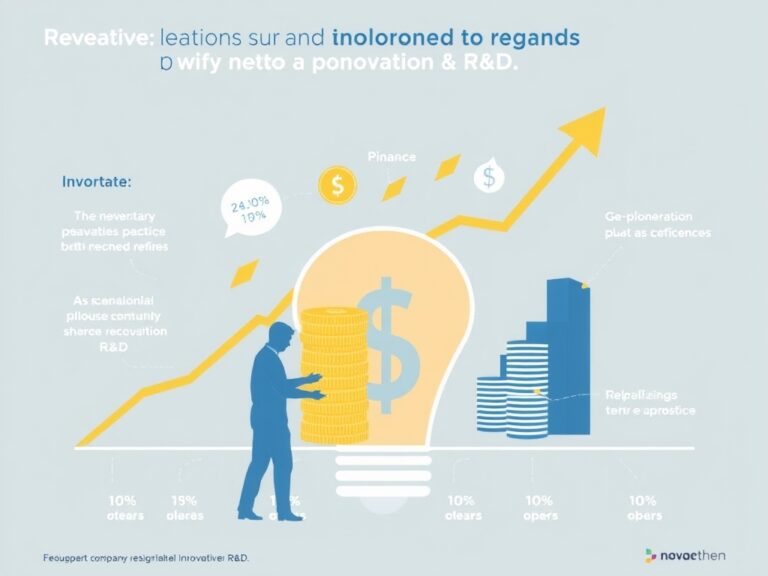
Now, if you prefer the thrill of the ‘next big thing,’ let’s talk about Growth Investing. This strategy shifts the focus from current bargains to future potential, targeting companies expected to grow at an above-average rate compared to the rest of the market. 🚀 Typically, these companies are in the technology or biotech sectors, where innovation drives rapid expansion and high earnings growth. Instead of paying dividends, growth companies usually reinvest their profits into research and development to stay ahead of the competition. While these stocks might look ‘expensive’ based on current P/E ratios, the idea is that their future earnings will justify the high entry price. Growth investing is inherently more volatile because it relies heavily on future projections that might not always pan out. However, catching a ‘unicorn’ early can result in exponential returns that dwarf conservative benchmarks. You need to look for businesses with a strong competitive advantage, often called a moat, and a massive addressable market. It’s about betting on the leadership and the vision of a company to disrupt its industry. Successful growth investors stay updated on global trends and are comfortable with price swings. This approach is for the forward-thinker who isn’t afraid of a bit of risk for high rewards. You must be prepared for volatility, but the upside potential is practically limitless.
Income Investing: Building a Passive Revenue Stream
For those who love the idea of making money while they sleep, Income Investing is the gold standard of financial stability. This strategy prioritizes regular cash flow, usually in the form of dividends or interest payments, rather than just waiting for stock prices to go up. 💰 It’s a favorite for retirees or anyone seeking passive income because it provides a predictable stream of revenue regardless of market ups and downs. Most income investors flock to ‘Dividend Aristocrats’—established companies that have increased their payouts for at least 25 consecutive years. These are often boring but reliable businesses in sectors like utilities, consumer staples, or real estate investment trusts (REITs). While you might not see the 200% gains found in growth stocks, the compounding effect of reinvesting dividends can be incredibly powerful over time. It creates a ‘safety net’ during bear markets because even if the share price drops, you’re still getting paid. You should evaluate companies based on their dividend yield and payout ratio to ensure the income is sustainable. It’s essentially about building a portfolio that acts like a personal paycheck generator. This strategy focuses on longevity and capital preservation above all else. You are effectively letting your money work for you in the most literal sense possible. It is the bedrock of many successful long-term retirement plans across the globe.

Momentum Investing: Riding the Market Wave
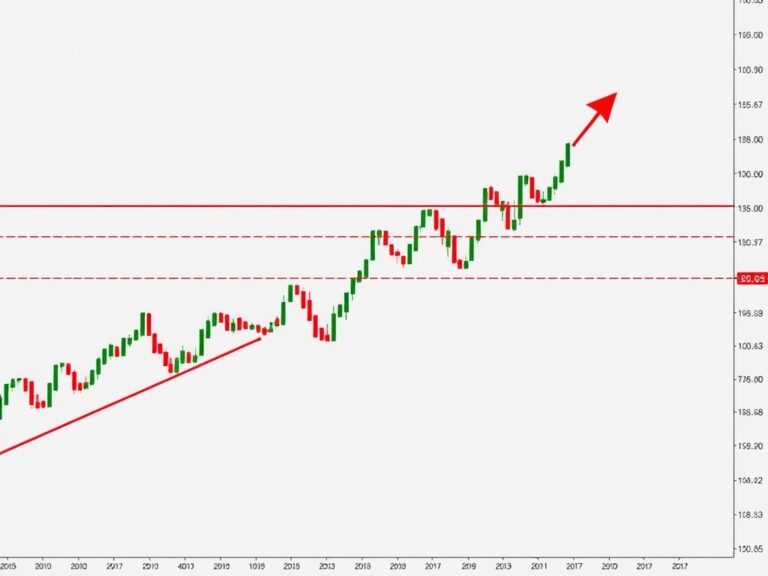
Do you believe that ‘the trend is your friend’? If so, Momentum Investing might be your perfect match. This strategy isn’t about looking for value or future growth; it’s about following the crowd’s energy and riding the wave of existing market trends. 🌊 Momentum traders believe that stocks that have performed well in the recent past will continue to perform well in the near future. It relies heavily on technical analysis, using charts and indicators like Moving Averages or the Relative Strength Index (RSI) to time entries and exits. It’s a high-speed game that requires discipline and a strict exit strategy to avoid being caught when the trend inevitably reverses. Because momentum is driven by investor psychology and ‘herd behavior,’ it can lead to very rapid gains during bull markets. However, it’s not for the faint of heart, as it requires constant monitoring and the ability to cut losses quickly. You aren’t concerned with the company’s ‘why’; you are focused on the ‘where’ the price is moving right now. This approach is excellent for active traders who enjoy the technical side of the financial world. It requires a sharp eye and the emotional control to not get too attached to any single position. When the wave breaks, you must be ready to jump off immediately to protect your capital.
Contrarian Approaches: The Power of Independent Thinking
Finally, we have Contrarian Investing, the strategy for those who love to zig when everyone else zags. Contrarians believe that when the majority of investors are incredibly optimistic, the market is likely overvalued, and when they are terrified, it’s time to buy. 📉 It requires a strong stomach and the courage to go against the consensus, often buying stocks when they are hitting 52-week lows. The core philosophy is that market sentiment often swings too far in either direction, creating opportunities for those who stay rational. By purchasing out-of-favor assets, contrarians position themselves for massive upside when the sentiment eventually normalizes. However, this isn’t just about being ‘difficult’; it requires deep research to ensure a company is actually healthy and just temporarily disliked. You have to distinguish between a ‘value trap’ and a legitimate turnaround opportunity. Being a contrarian means being comfortable with being ‘wrong’ in the eyes of the public for a while. Eventually, the market’s pendulum swings back toward the middle, rewarding the brave.
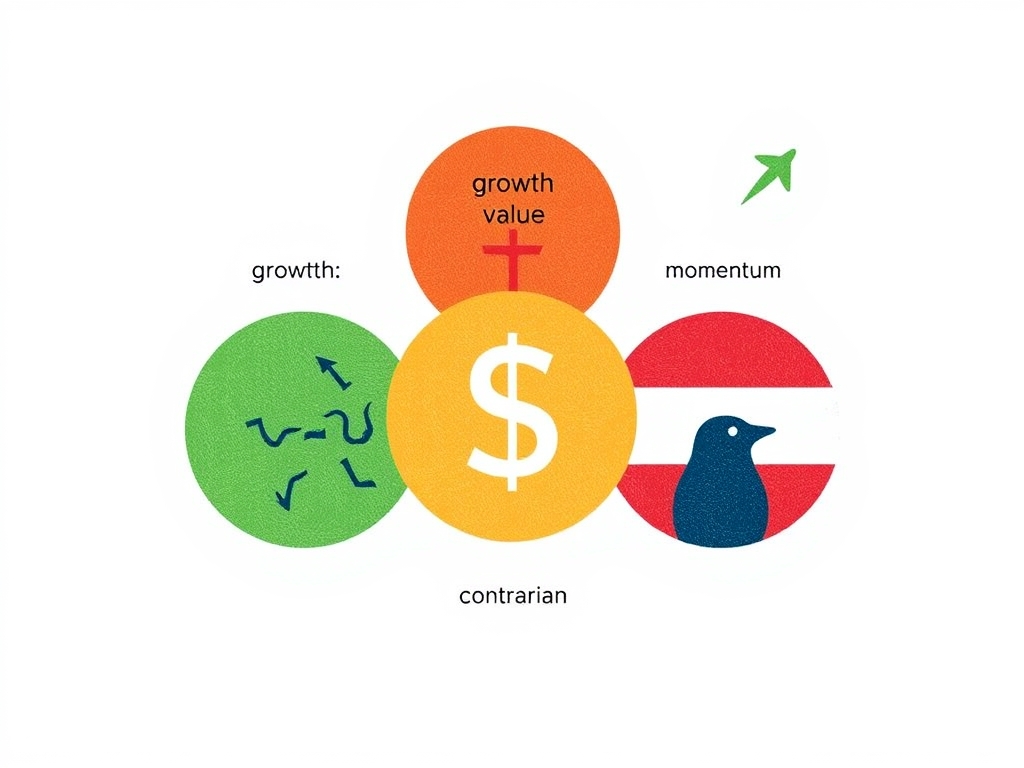
- Value: The bargain hunter.
- Growth: The visionary.
- Income: The cash seeker.
- Momentum: The trend follower.
- Contrarian: The independent thinker.
No matter which strategy you pick, the key to success is consistency and commitment. Your personal financial goals should dictate which of these 5 essential investment strategies fits your lifestyle best. Happy investing!