
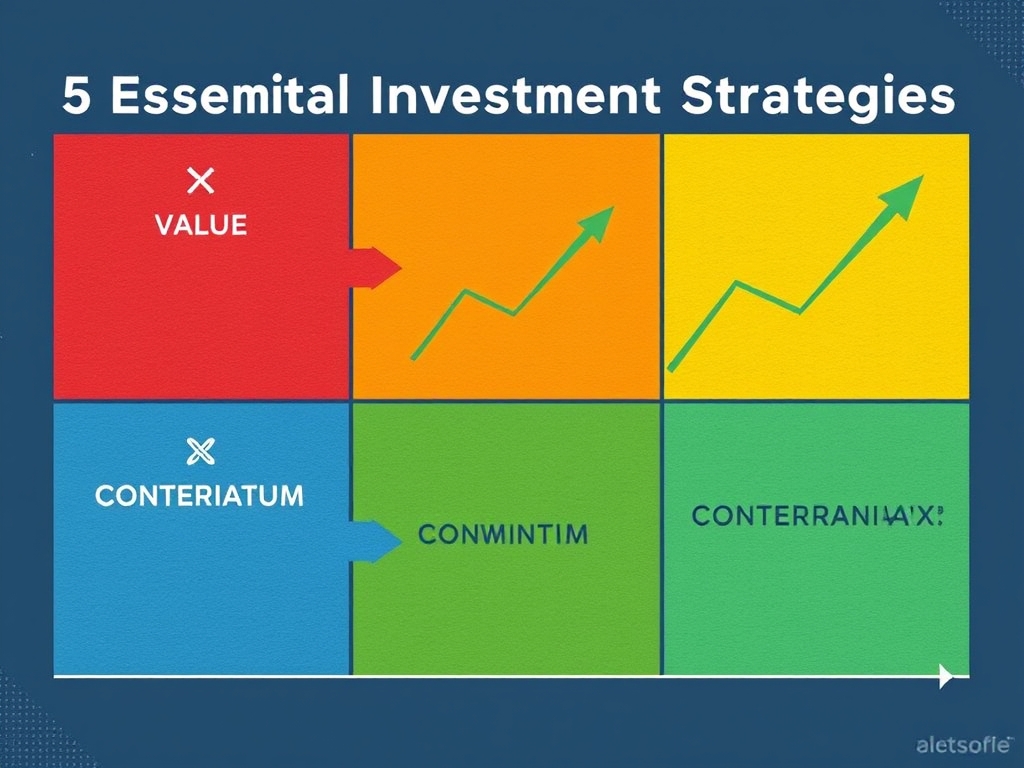
5 Essential Investment Strategies: Comparing Value, Growth, Income, Momentum, and Contrarian Styles
Welcome to the fascinating world of wealth building, where choosing the right path can make all the difference for your financial future! Today, we are diving deep into the 5 essential investment strategies that every savvy investor should know to navigate the markets like a pro. Let’s start with Value Investing, a timeless approach famously championed by Warren Buffett. This strategy involves hunting for “bargains”—stocks that the market has undervalued for one reason or another. The core idea is to calculate a company’s intrinsic value and buy its shares only when they are trading at a significant discount. By seeking a “margin of safety,” value investors protect themselves against major losses while waiting for the market to eventually realize the stock’s true worth. It requires immense patience and a thick skin, especially when the rest of the market is chasing the next shiny object. To spot these opportunities, you should look at metrics such as:
- Price-to-Earnings (P/E) Ratio: Lower than the industry average.
- Price-to-Book (P/B) Ratio: Looking for assets worth more than the current stock price.
- Free Cash Flow: Ensuring the business generates real, usable money.
Think of it like buying a designer suit at a clearance sale; the quality remains high, but the price tag is temporarily low. Successful value investing isn’t just about cheapness; it’s about quality at a reasonable price, ensuring you own resilient businesses. As you build your portfolio, remember that value stocks often provide stability during volatile times, making them a cornerstone for long-term wealth preservation.

On the flip side of the coin, we have Growth Investing, which is all about looking forward and betting on companies with explosive potential. While value investors look for yesterday’s giants at a discount, growth investors search for tomorrow’s leaders that are expanding their earnings and revenue at an above-average rate. These companies often reinvest every penny of their profits back into the business for research, development, and expansion, which means they rarely pay dividends. You’ll often find growth stocks in sectors like technology, biotech, or renewable energy, where innovation drives massive market share gains. Investors in this space are less concerned with the current stock price and more focused on what the company will look like in five or ten years. It’s an exciting, high-octane style, but it comes with higher volatility because the market sets very high expectations for these firms. If a growth company misses its targets, the share price can drop sharply, making risk management essential. To identify a potential winner, consider these key growth indicators:
- Consistent Revenue Growth: Ideally 20% or more year-over-year.
- Large Addressable Market: The company has room to grow into a massive industry.
- Strong Competitive Moat: A unique product or brand that competitors cannot easily copy.
By focusing on “the next big thing,” growth investing allows you to multiply your capital significantly if you pick the right winners. Just remember to keep an eye on valuations, as paying too high a premium can erode your future returns even if the company succeeds. Understanding the balance between risk and reward is the hallmark of a successful growth strategist.

If you prefer a more steady and predictable approach, Income Investing might be your bread and butter. This strategy focuses on generating a regular stream of cash flow from your investments, rather than just waiting for the stock price to go up. It is a favorite among retirees and those seeking passive income to cover their daily living expenses or to reinvest for compound growth. The most common vehicles for this style are high-quality dividend-paying stocks, bonds, and Real Estate Investment Trusts (REITs). When you practice income investing, you prioritize companies that have a long history of sharing their profits with shareholders, often referred to as “Dividend Aristocrats.” These businesses are usually mature, stable, and generate consistent profits even during economic downturns. It’s like owning a rental property where you collect rent every month without the headache of being a landlord. To build a robust income portfolio, you should analyze:
- Dividend Yield: The annual dividend payment divided by the stock price.
- Payout Ratio: The percentage of earnings paid out as dividends; lower is usually safer.
- Credit Ratings: Crucial for bond investing to ensure the borrower can pay you back.
This style provides a psychological safety net because even when the market is “red,” you are still receiving checks in the mail. Over time, these distributions can be a massive contributor to your total returns, especially when they are reinvested into more shares. Many investors find that the psychological comfort of regular payments helps them stay invested during market volatility.

Now, let’s talk about a faster-paced strategy known as Momentum Investing, which essentially follows the philosophy that “the trend is your friend.” Unlike value or income investors who look at fundamentals, momentum traders focus on the psychology of the crowd and the strength of recent price movements. They believe that stocks that have been going up will likely continue to go up, and those going down will continue to fall. This approach relies heavily on technical analysis and market data rather than just balance sheets or profit margins. It requires a disciplined exit strategy, as momentum can shift instantly when the market sentiment changes. You aren’t necessarily looking for “cheap” stocks; in fact, you are often buying high with the intention of selling even higher. This style is best suited for active investors who can monitor their screens and react quickly to volatility. Successful momentum investing often utilizes specific tools to identify entry and exit points:
- Moving Averages: Identifying if the current price is above the long-term trend line.
- Relative Strength Index (RSI): Measuring whether a stock is overbought or oversold.
- Volume: Confirming that a price move is backed by significant buying pressure.
While highly profitable during strong bull markets, momentum investing can be dangerous in “choppy” markets where trends are short-lived. It’s an essential strategy for those who want to capitalize on market irrationality and short-term bursts of enthusiasm. By staying objective and following the data, momentum investors can avoid the emotional traps that snare others.
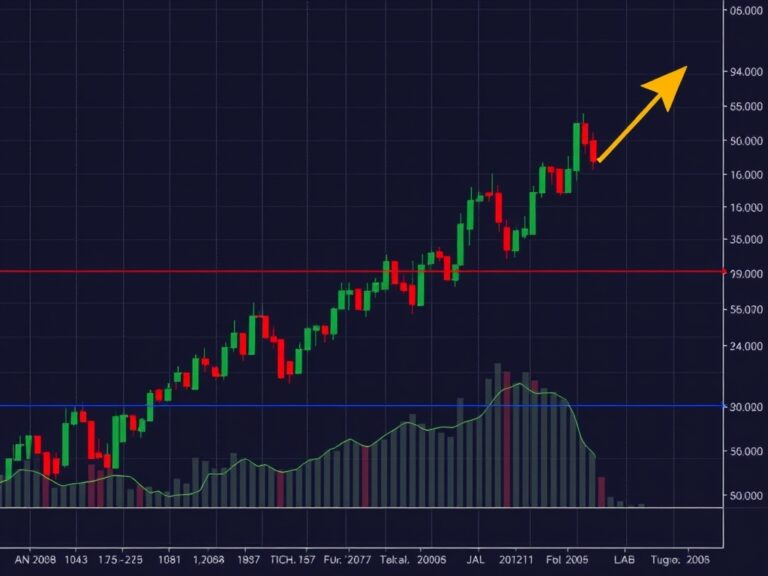
Finally, we have the bold and often lonely world of Contrarian Investing, where the goal is to go against the prevailing market sentiment. This strategy is perfectly summarized by the famous advice to “be greedy when others are fearful and fearful when others are greedy.” Contrarian investors look for sectors or companies that are currently hated or ignored by the mainstream media and the general public. They bet that the market has overreacted to bad news, creating a temporary mispricing that can be exploited for massive gains when the dust settles. It takes significant mental fortitude to buy a stock when everyone else is selling, but this is often where the most legendary fortunes are made. However, being a contrarian isn’t just about being a rebel; it requires deep research to ensure you aren’t catching a “falling knife.” To succeed here, you must be able to distinguish between a temporary setback and a permanent decline. When combined with a diversified approach, using elements of value, growth, income, and momentum, you can create a resilient portfolio that thrives in any weather.
- Market Sentiment Analysis: Looking for extreme pessimism as a buying signal.
- Long-term Horizon: Being prepared to wait years for the consensus to change.
- Risk Diversification: Never putting all your contrarian bets in one basket.
By mastering these five essential investment strategies, you empower yourself to make informed decisions that align with your personal goals. Whether you are seeking a steady income or the thrill of the next big growth story, understanding these styles is your first step toward financial mastery. It is the ultimate test of an investor’s conviction and analytical depth.