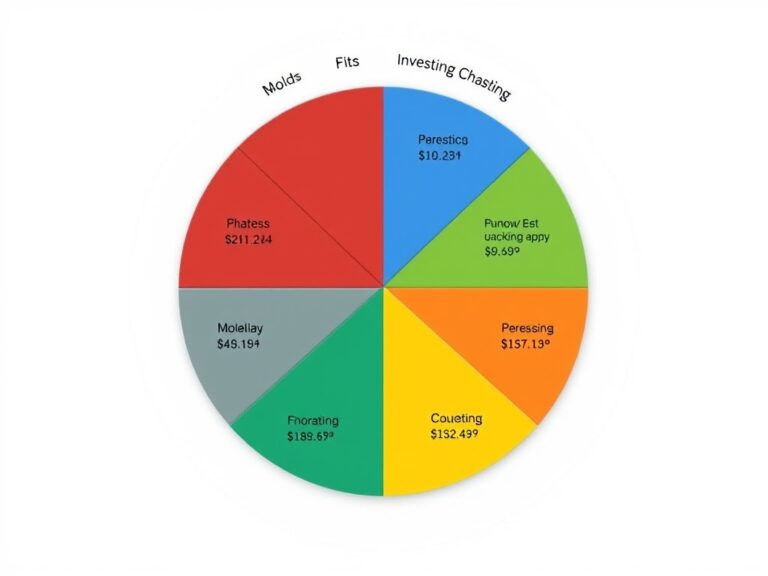

Value, Growth, Income, Momentum, Contrarian Investing: A Complete Strategy Guide
The Foundation of Value Investing: Finding Hidden Gems
Welcome to Value, Growth, Income, Momentum, Contrarian Investing: A Complete Strategy Guide! 📈 We are going to explore the core pillars of a robust portfolio: Value, Growth, Income, Momentum, and Contrarian strategies. Let’s start with Value Investing, the art of finding stocks that the market has unfairly discounted. 🕵️♂️ Think of it like bargain hunting at your favorite store but for shares of high-quality companies. You’re looking for firms with a low Price-to-Earnings (P/E) ratio and a high intrinsic value compared to their current price. This method was pioneered by legends like Benjamin Graham and Warren Buffett. It requires patience because you have to wait for the market to realize the true worth of your pick. Often, these companies are well-established and have stable cash flows. Key characteristics include:
- Low Price-to-Book ratios
- Sustainable dividend payouts
- Consistent historical earnings
By focusing on the margin of safety, you protect your capital while positioning yourself for long-term gains. It’s a disciplined approach that rewards those who can block out the short-term noise and focus on fundamental health. Finding these deals takes time, but it is the bedrock of many wealthy portfolios.

Growth Investing: Betting on the Future Giants
Now, if you’re looking for more excitement and rapid capital appreciation, Growth Investing might be your perfect match! 🚀 This strategy focuses on companies that are expected to grow at an above-average rate compared to their industry or the overall market. Instead of looking for a bargain, you’re looking for the ‘next big thing’—think tech disruptors and innovative startups. These companies usually reinvest all their profits back into the business to fuel expansion, which means they rarely pay dividends. 💡 You have to be prepared for higher volatility, as these stocks often trade at high P/E multiples based on future potential rather than current earnings. When selecting growth stocks, investors look for:
- Expanding market share
- High research and development (R&D) spending
- Strong competitive moats
Identifying companies with a strong competitive advantage is key to long-term success. Look for those with high barriers to entry that prevent competitors from stealing market share. This ensures the growth is sustainable over many years rather than a flash in the pan. Many investors look for double-digit revenue increases year-over-year as a baseline. It’s all about the power of compounding and betting on visionary leadership. While the risk is higher, the rewards can be legendary if you catch a titan in its early stages.

Income Investing: Generating Your Passive Cash Flow
If you prefer a steady paycheck from your portfolio, then Income Investing is the strategy that will keep you smiling. 💵 This approach is designed to generate a reliable stream of cash flow, making it a favorite for retirees or those seeking financial independence. Instead of sweating over daily price fluctuations, you focus on the yield provided by dividends, interest, or rental income. 🏠 This strategy typically involves investing in ‘Dividend Aristocrats’—companies that have increased their payouts for at least 25 consecutive years. It provides a cushion during market downturns because even if the stock price drops, the dividend checks keep coming. To master income investing, you should diversify across different asset classes:
- High-yield corporate bonds
- Real Estate Investment Trusts (REITs)
- Preferred stocks and utilities
You should also monitor the payout ratio to ensure the dividend is safe and sustainable. A low payout ratio suggests the company can continue to pay even in lean times. Income investing often serves as a great hedge against inflation over the long haul. Diversifying your income sources is vital for long-term financial stability. By reinvesting these dividends, you can actually accelerate your wealth building through a process known as DRIP (Dividend Reinvestment Plan). It turns your portfolio into a self-sustaining machine that works for you even while you sleep.

Momentum and Contrarian: Timing and Market Psychology
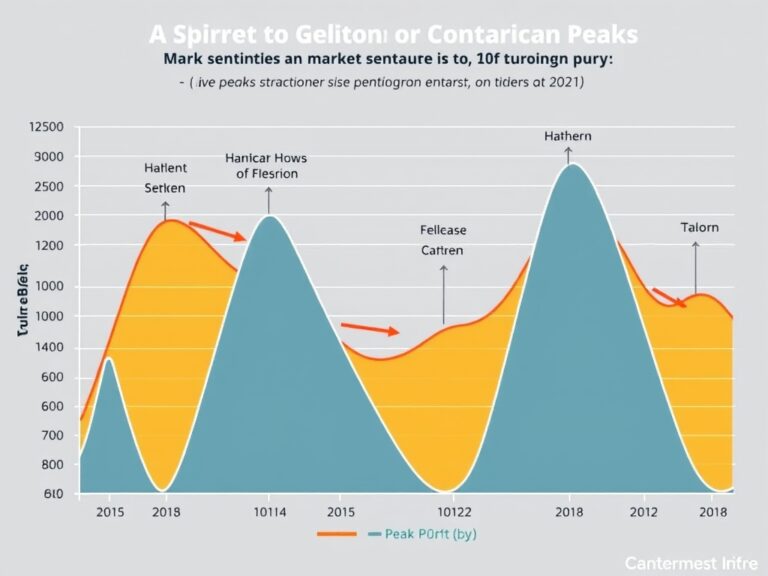
Let’s shift gears and talk about the psychological side of the market with Momentum and Contrarian Investing. 🎢 Momentum investing is the practice of ‘buying high and selling higher,’ essentially riding the wave of an existing trend. It assumes that stocks that have performed well recently will continue to do so in the short term due to positive market sentiment. 🌊 Conversely, Contrarian Investing is the ‘rebel’ strategy where you intentionally go against the crowd. As the saying goes, you want to be ‘fearful when others are greedy and greedy when others are fearful.’ 📉 This means buying when there is ‘blood in the streets’ and selling when euphoria is at its peak. Both strategies require a thick skin and a deep understanding of market cycles and human emotion. Key indicators for these styles include:
- Relative Strength Index (RSI) for momentum
- Sentiment indices for contrarian plays
- Moving average crossovers
Successful investors often use a bit of both to time their entries and exits more effectively. It’s a delicate balance between following the trend and knowing when the music is about to stop. Market psychology plays a huge role here in determining the duration of a trend. Understanding investor behavior is just as important as reading financial charts.
A Complete Strategy Guide: Building Your Balanced Portfolio
Finally, the most successful investors don’t just pick one style; they create a Synergistic Strategy Guide that blends all these elements. 🛠️ This is known as a multi-factor approach, which helps in smoothing out returns over different economic cycles. For instance, when growth stocks are flagging, your value and income picks might provide the stability your portfolio needs. 🛡️ You should tailor your allocation based on your personal risk tolerance, time horizon, and financial goals. A younger investor might tilt heavily toward growth and momentum, while someone closer to retirement would lean on value and income. 🕰️ Periodically rebalancing your portfolio ensures that you aren’t overexposed to one single factor as the market environment shifts. Asset allocation is often more important than individual stock picking when it comes to long-term returns. Ensure you have a clear plan for when to sell or rebalance your winners. Keeping a journal of your investment decisions can help you stay disciplined through market volatility. Consistency is the secret sauce to building generational wealth over the decades. To build a truly resilient portfolio, consider these final tips:
- Review your asset allocation annually
- Keep an eye on transaction costs and taxes
- Never stop educating yourself on new market dynamics
By mastering these diverse investing styles, you are no longer just a spectator; you are a strategic architect of your own wealth.