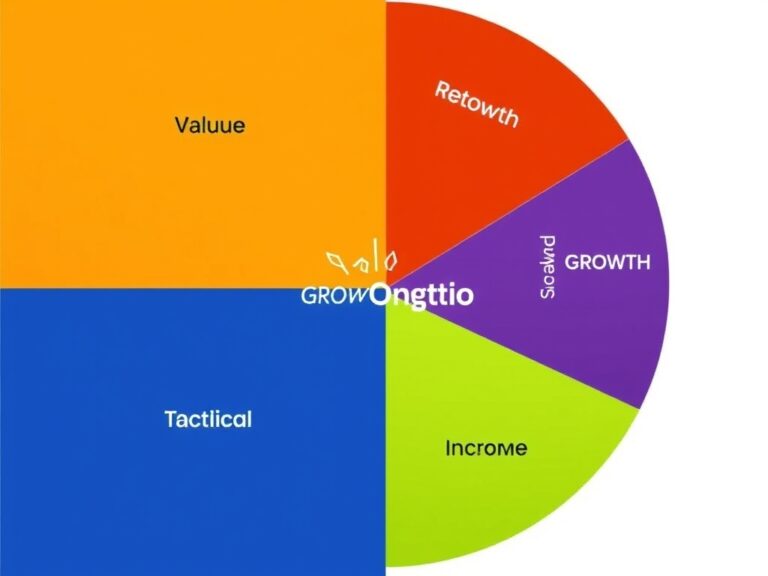

Value, Growth, Income, Momentum & Contrarian Investing: Your Strategy Guide
💎 The Art of Value Investing: Finding Hidden Gems
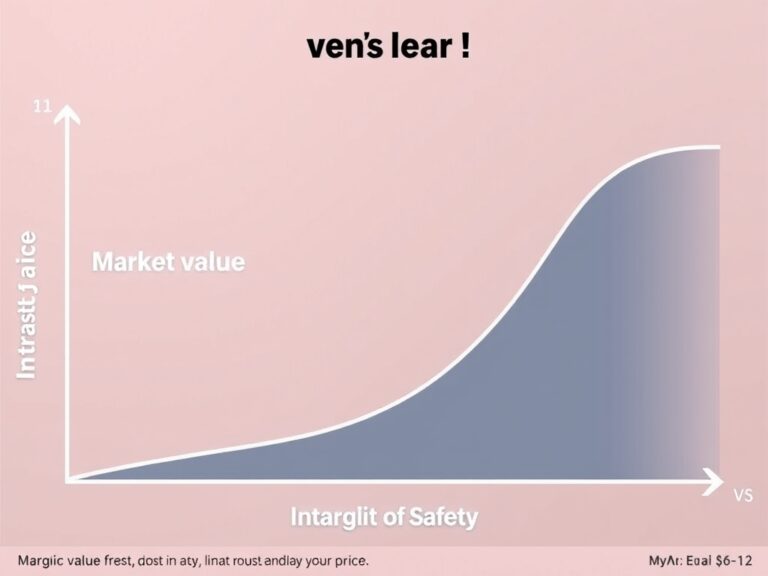
Let’s dive deep into the world of investing where the first strategy we encounter is the classic Value Investing approach. This methodology is essentially the ‘bargain hunting’ of the financial world, where you look for stocks trading for less than their intrinsic value. You might wonder, why would a perfectly good stock be undervalued by the market? Often, it could be due to short-term market overreaction, temporary bad news, or simply the company being overlooked by institutional investors. Key Principles of Value Investing:
- Seeking a ‘Margin of Safety’ to protect yourself against significant downside risk.
- Analyzing complex financial statements to identify robust fundamental strength.
- Maintaining patience as the ultimate virtue, as markets can take years to realize a company’s true worth.
By focusing on companies with low Price-to-Earnings (P/E) ratios and high book values, your goal is to essentially buy a dollar for sixty cents. This isn’t just about buying cheap, low-quality stocks; it’s about finding high-quality companies at a temporary discount. Warren Buffett, widely known as the Oracle of Omaha, has famously used this strategy to build one of the world’s greatest fortunes over several decades. To succeed, you must be comfortable going against the crowd and trusting your own deep research when everyone else is selling in a panic. It requires a disciplined and unemotional mindset to ignore short-term price fluctuations that often distract less experienced investors. Ultimately, value investing is about understanding the fundamental truth that price is what you pay, but value is what you actually get. This strategy rewards those who can look past the daily noise of the stock market and focus on the long-term health of a business.
🚀 Growth Investing: Riding the Wave of Innovation
Moving from steady value to the high-octane world of Growth Investing, we shift our focus toward companies that are expected to grow at an above-average rate. These businesses often operate in fast-paced sectors like technology, biotechnology, or green energy, where innovation is the primary driver of success. Unlike traditional value stocks, growth stocks usually don’t pay dividends because they reinvest every penny of profit back into the company. They use this capital for research and development, market expansion, or acquiring smaller competitors to stay ahead of the curve. Characteristics of High-Performance Growth Stocks:
- Rapidly increasing revenue growth rates and expanding profit margins over several consecutive quarters.
- Significant competitive advantages, often referred to as economic ‘moats,’ that protect their market share.
- Generally higher volatility and higher Price-to-Earnings (P/E) ratios compared to the broader market average.
When you invest in growth, you are essentially paying a premium today for the promise of massive earnings in the distant future. This strategy requires a strong stomach for volatility, as these stocks can experience sharp price drops if they miss earnings expectations. However, the potential for a ‘ten-bagger’—a stock that grows ten times its original value—can transform your entire portfolio’s performance. It is all about identifying massive societal trends before they become mainstream, such as the rise of artificial intelligence or cloud computing. Investors in this category prioritize long-term capital appreciation over immediate cash flow or safety. While the risks are undeniably higher, the rewards for picking the right industry leader early on are absolutely unparalleled in the financial world. If you have a long time horizon and can ignore the occasional market dip, growth investing offers an exciting path to wealth.

💰 Income Investing: Building Your Passive Cash Flow
If you prefer a more steady and predictable approach to building wealth, Income Investing might be your ideal strategy. This strategy focuses on generating a consistent and reliable stream of cash flow from your investments, rather than just waiting for prices to rise. It is often considered the cornerstone of a solid retirement plan because it provides liquidity without the need to sell off your core assets. You can achieve this through dividends, interest from bonds, or even rental income from real estate investment vehicles. Popular Assets for Income-Focused Investors:
- Dividend Aristocrats: Blue-chip companies that have increased their dividend payments for at least 25 consecutive years.
- REITs (Real Estate Investment Trusts): Companies that own income-producing real estate and pay out most profits to shareholders.
- Fixed Income Securities: Government or corporate bonds that provide stable interest payments over a set period.
The goal here is to let the power of compound interest do the heavy lifting for your portfolio over several decades. By automatically reinvesting your dividends, you purchase more shares, which in turn generate even more dividends in a beautiful cycle of growth. Income investors often find themselves caring much more about the reliability of the payout than the daily fluctuations of the stock market. This provides a significant psychological cushion during bear markets, as you are still getting paid while other investors see their balances drop. It is a defensive strategy that prioritizes wealth preservation and achieving true financial independence through passive means. For many people, the ultimate financial dream is reaching a point where their passive income stream covers all their monthly living expenses. This approach requires discipline and a focus on quality, ensuring that the companies you invest in have the cash flow to sustain their payouts.

📈 Momentum vs. 📉 Contrarian: Playing Market Sentiment
Now, let’s pivot to discuss the more tactical and sentiment-driven approaches: Momentum and Contrarian Investing. Momentum investing is built on the core philosophy that ‘the trend is your friend,’ suggesting that stocks performing well will likely continue to do so. It relies heavily on technical analysis, chart patterns, and monitoring market psychology to ride the wave of investor enthusiasm. On the complete opposite end of the spectrum, Contrarian Investing involves intentionally buying when others are fearful and selling when they are greedy. Key Differences Between These Two Dynamic Styles:
- Momentum: Focuses on relative strength, high trading volume, and identifying clear price breakouts.
- Contrarian: Looks for ‘blood in the streets’ and situations where extreme pessimism has led to an asset being oversold.
- Risk Management: Both styles require very strict exit strategies and stop-loss orders to manage high levels of market risk.
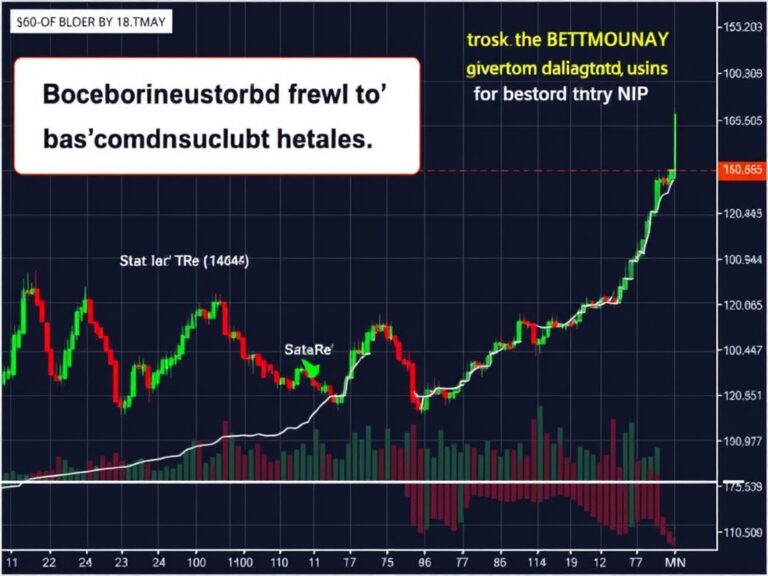
Being a successful contrarian isn’t just about being different for the sake of it; it’s about identifying fundamental mispricing during a panic. Momentum traders often use tools like the Relative Strength Index (RSI) or Moving Averages to time their entries and exits with high precision. Both styles require a high level of market awareness and the emotional fortitude to act quickly when a signal appears. While momentum seeks to capture the profitable middle section of a major price move, contrarians look to buy at the absolute bottom. These strategies are often utilized by more experienced traders who want to enhance their returns during specific phases of the market cycle. Success in these areas depends heavily on your ability to master your own emotional biases and follow a predefined trading system. Whether you follow the crowd’s strength or bet against their fear, these tactics can be powerful additions to a sophisticated investment toolkit.
🛠️ Crafting Your Unified Investment Strategy
Finally, the most successful long-term investors understand how to blend these various styles into one Unified Investment Strategy. You do not have to choose just one path; in fact, a truly diversified portfolio often contains elements of value, growth, and income. For example, a balanced investor might hold 50% in stable income stocks, 30% in high-growth technology, and 20% in deep-value opportunities. This strategic mix ensures that you are protected regardless of which specific investment style is currently favored by the broader market. Essential Steps to Crafting Your Own Personalized Strategy:
- Define your time horizon clearly: Are you investing for a house in 5 years or for retirement in 30 years?
- Assess your personal risk tolerance: Be honest about whether you can psychologically handle a 20% dip in your account value.
- Commit to regularly rebalancing your portfolio to ensure you maintain your target asset allocation over time.
This holistic approach provides a safety net because market cycles are constantly rotating between different sectors and styles. What works exceptionally well today, such as aggressive growth, might underperform significantly tomorrow when value or income stocks take the lead. By staying educational and disciplined in your approach, you avoid the common retail investor trap of chasing past performance. Always remember that the single best investment strategy is the one you can actually stick with during the inevitable market storms. Investing is a marathon that rewards consistency, and your strategy should serve as a reliable roadmap toward your financial freedom. Take the time to understand the nuances of each style, but never be afraid to pivot as your life goals and circumstances evolve. With a clear plan and a diverse set of tools, you are well-equipped to navigate the complexities of the financial markets with confidence.