
The Ultimate Guide to Value, Growth, Income, Momentum, and Contrarian Investing Strategies
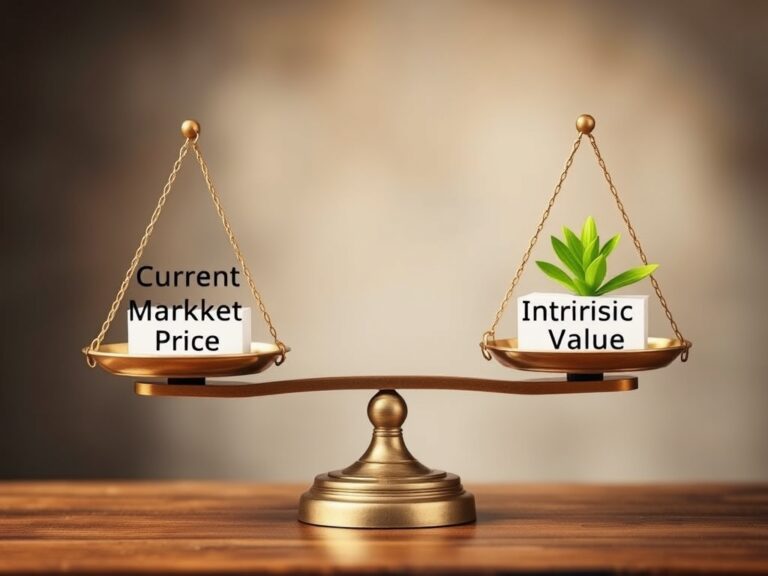
Welcome to the exciting world of stock market mastery where we peel back the layers of the financial onion to find hidden gems! Value investing is essentially the ‘garage sale’ strategy of the stock market, where savvy investors hunt for high-quality companies trading for less than their intrinsic value. Think of it like buying a $100 bill for only $70; eventually, the market realizes the mistake and the price adjusts upward. To excel here, you need to understand key metrics like the Price-to-Earnings (P/E) ratio and the Debt-to-Equity ratio to ensure the business is fundamentally sound. Value investors like Warren Buffett often look for a ‘margin of safety’ to protect themselves from market volatility. This strategy requires immense patience because the market can remain irrational longer than you can remain solvent. You aren’t just buying a ticker symbol; you’re buying a piece of a real business with assets and cash flows.
- Focus on undervalued assets with strong fundamentals
- Look for high free cash flow and low debt levels
- Seek companies with a durable competitive advantage or ‘moat’
By ignoring the daily noise and focusing on the underlying worth, you position yourself for long-term success. It’s about being a realist in a room full of optimists and pessimists alike. This disciplined approach is the cornerstone of many of the world’s greatest fortunes.
On the flip side of the coin, we have Growth Investing, which is all about capturing the explosive potential of tomorrow’s industry leaders today. Unlike value seekers, growth investors aren’t bothered by high price tags; they are looking for companies with rapidly expanding revenues and disruptive business models. This strategy often targets sectors like technology, biotech, and renewable energy where innovation drives massive returns. You are essentially betting on the company’s ability to scale and dominate its niche in the coming years. While these stocks can be volatile, the power of compounding at high growth rates can turn a modest investment into a fortune. It’s crucial to analyze the Total Addressable Market (TAM) to see if the company has enough ‘runway’ to keep growing.
- Target high revenue growth rates exceeding industry averages
- Identify innovative leadership teams with a clear vision
- Accept higher valuation multiples in exchange for future scaling
Many of the most successful companies in history, like Amazon or Tesla, started as pure growth plays before they became mature giants. You have to be comfortable with market fluctuations and have a high risk tolerance to stay the course here. It is a strategy for the forward-thinking investor who isn’t afraid of a little speed.

If you prefer a more steady and predictable approach, then Income Investing is your ticket to financial freedom through passive income streams. This strategy focuses on building a portfolio of assets that pay you regular cash, typically in the form of dividends or interest. Many investors gravitate toward Dividend Aristocrats—companies that have increased their dividend payouts for at least 25 consecutive years. This approach is less about chasing the next ‘unicorn’ and more about creating a reliable cash flow that can cover your living expenses or be reinvested. It provides a psychological safety net during bear markets because even if the stock price drops, you’re still receiving those quarterly checks. You should pay close attention to the Dividend Yield and the Payout Ratio to ensure the payments are sustainable.
- Prioritize Dividend-paying stocks, bonds, and REITs
- Focus on stability and low price volatility over time
- Reinvest dividends to leverage the power of compound interest
It’s a marathon, not a sprint, where the goal is to build a ‘money tree’ that grows larger every single year. This strategy is particularly popular among retirees or those looking to reduce their reliance on a traditional 9-to-5 job. By focusing on yield, you turn the stock market into your personal ATM.

Now, let’s talk about two strategies that rely heavily on market psychology: Momentum and Contrarian investing. Momentum investing is the art of following the trend, operating on the belief that ‘the trend is your friend’ until it ends. You look for stocks that are already moving upward with high volume and ride that wave as long as the positive sentiment lasts. Conversely, Contrarian Investing involves going against the grain—buying when others are fearful and selling when others are greedy. This requires a strong stomach, as you’ll often be buying assets that the media is currently bashing or ignoring. Both strategies require a keen understanding of technical indicators like the Relative Strength Index (RSI) and moving averages.
- Momentum: Buy high and sell higher by following strong price trends
- Contrarian: Find massive opportunities in market overreactions and panic
- Use technical analysis to time your entries and exits effectively
While momentum can lead to quick gains in a bull market, contrarian plays often offer the highest long-term rewards by catching stocks at their absolute bottom. Mastering these requires discipline and a clear exit strategy to avoid being caught on the wrong side of a sudden reversal. It is the ultimate test of an investor’s emotional intelligence and market timing.

Finally, the ‘ultimate’ part of this guide is learning how to synthesize these strategies into a Diversified Hybrid Portfolio that fits your unique goals. You don’t have to pick just one; in fact, the most resilient investors often blend these approaches to balance risk and reward. For instance, you might hold 50% in stable income stocks, 30% in high-growth tech, and 20% in deep-value plays found through contrarian research. This Asset Allocation strategy ensures that no matter which way the market winds blow, some part of your portfolio is likely performing well. It’s essential to conduct a periodic portfolio rebalance to keep your weightings in line with your original financial plan.
- Analyze your personal risk tolerance and long-term time horizon
- Mix various strategies to create a resilient investment core
- Stay educated and adapt your tactics to changing economic cycles
Remember, the best strategy is the one you can stick to during the inevitable market crashes and periods of uncertainty. Investing is a lifelong journey of learning, and by understanding these five pillars, you are now better equipped to navigate the financial seas. Keep your eyes on the prize, stay disciplined, and let your capital work for you as you build your legacy!