

Value, Growth, Income, Momentum, Contrarian: Exploring 5 Core Investing Strategies
Welcome to the exciting world of wealth building where strategy meets opportunity! To kick things off, let’s talk about Value Investing, the strategy popularized by legends like Warren Buffett. At its core, this approach is like being a seasoned bargain hunter at a high-end department store. You’re looking for companies whose stocks are trading for significantly less than their intrinsic value. Why does this happen so frequently in the modern stock market? Sometimes the market overreacts to temporary bad news, causing a solid stock’s price to drop unfairly. By performing a rigorous fundamental analysis, you can identify these hidden gems before the crowd. 💎 Key metrics for value seekers include:
- The Price-to-Earnings (P/E) ratio compared to history.
- The Price-to-Book (P/B) ratio to assess asset value.
- The essential ‘Margin of Safety’ for protection.
Value investors aren’t bothered by daily price swings because they trust their own research. They wait patiently for the market to eventually recognize the true worth of the company. It’s a disciplined, long-term game that requires nerves of steel and a keen eye for balance sheets. Think of it as buying a dollar’s worth of business assets for only fifty or sixty cents. This strategy often involves looking at unglamorous or ‘boring’ industries that others might overlook. By focusing on quality at a discount, you set yourself up for significant upside potential. You must remain objective and avoid the emotional traps that lead to impulsive selling.

If Value Investing is about finding deals, then Growth Investing is about finding the superstars of tomorrow. This strategy focuses on companies that are expected to grow at a rate significantly above the market average. Typically, these businesses are in rapidly evolving sectors like technology, biotech, or green energy innovations. You won’t find many bargains here, as growth stocks often trade at high P/E ratios because investors are optimistic. 🚀 Growth indicators to watch:
- Consistent double-digit revenue expansion year-over-year.
- Dominant market share in a niche industry.
- Heavy reinvestment into research and development.
The primary goal is capital appreciation, meaning you want the stock price to skyrocket as the company expands. It can be a bumpy ride, as these stocks are often much more volatile than their value counterparts. However, the rewards for picking the next global disruptor like Amazon or Tesla can be truly life-changing. You need to have a high risk tolerance and a clear vision for where the world is headed. Successful growth investors stay ahead of the curve by identifying emerging consumer trends and disruptive technologies. It’s less about current accounting and more about the potential for exponential scalability in the global marketplace. These companies usually reinvest every penny into research to maintain their competitive edge. You are essentially betting on the management’s ability to execute a grand, transformative vision. While the risks are higher, the compounding effect of high growth is the ultimate wealth creator for many. Always remember to keep your eyes on the long-term horizon rather than the daily ticker fluctuations.

Now, let’s shift gears to a favorite for those seeking financial stability: Income Investing. This strategy is all about generating a steady stream of cash flow from your portfolio assets rather than just price increases. Instead of just waiting for a stock price to go up, you’re getting paid a regular dividend to own the asset. This is particularly popular among retirees or anyone looking for passive income to cover daily expenses. You’ll often look for ‘Dividend Aristocrats,’ which are companies that have increased their payouts for decades. 💰 Popular income sources include:
- Blue-chip stocks with high dividend yields.
- Real Estate Investment Trusts (REITs) that pay monthly.
- High-quality corporate or government bonds.
The beauty of this approach lies in the power of compounding; if you reinvest those dividends, you win big. It’s a snowball effect that builds massive wealth over many years without needing to sell your principal shares. Income investors value reliability and consistency over flashy, high-risk growth stories that might fail. They want to see healthy free cash flow and a manageable payout ratio to ensure the checks keep coming. This strategy provides a psychological safety net during market downturns, as the payments keep your morale high. It’s about building a financial engine that works for you even while you are asleep or traveling. You can find these opportunities in utilities, consumer staples, and diversified real estate trusts. The focus is always on the ‘yield’ and the underlying safety of that cash distribution. It is often considered the most effective way to reach true financial independence over the long haul.

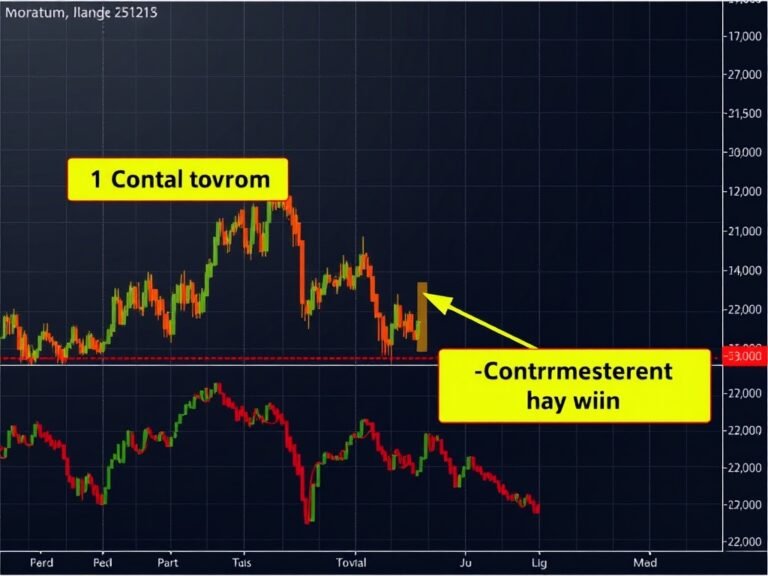
Finally, let’s explore two strategies that focus heavily on market psychology: Momentum and Contrarian Investing. Momentum investors believe that ‘the trend is your friend,’ betting that winners will keep winning. They use technical indicators like the Relative Strength Index (RSI) to spot high-flying assets. On the complete opposite end of the spectrum, we find the brave Contrarian investors. These are the individuals who buy when there is ‘blood in the streets’ and panic everywhere. They believe the herd is often wrong at market extremes and look to capitalize on excessive pessimism. 📈 To master these, you must understand:
- The emotional cycles of fear and greed in the market.
- Technical chart patterns like breakouts and reversals.
- The concept of ‘Mean Reversion’ for undervalued plays.
While Momentum is about riding the wave of popularity, Contrarianism is about finding the turning point early. Both require a deep understanding of human behavior and a very disciplined exit strategy for safety. Momentum can lead to massive gains in bull markets, but it requires incredibly quick reflexes. Contrarianism requires immense patience and the courage to stand completely alone against the consensus. By balancing these two approaches, you can exploit different types of market inefficiencies. It’s a fascinating look into how fear and greed drive the financial world every single day. You must be careful not to get caught in a ‘value trap’ when being a contrarian investor. Similarly, momentum investors must beware of sudden reversals that can erase gains in an instant.
So, which of these five core strategies is right for your unique financial journey? The truth is, the most successful investors often use a hybrid approach tailored to their specific goals. For instance, you might allocate a portion to stable Income stocks while keeping a ‘satellite’ for Growth. This is known as Asset Allocation, and it’s the secret sauce to long-term success. Don’t feel like you have to pick just one lane and stay there forever as you grow. Your strategy can evolve as you move through different stages of life and career advancement. 🛡️ Steps to build your personal strategy:
- Define your financial timeline (5 years vs. 30 years).
- Assess how much volatility you can stomach without panic.
- Diversify across sectors to minimize individual company risk.
Diversification remains your best defense against the inherent unpredictability of the global economy. By understanding Value, Growth, Income, Momentum, and Contrarian styles, you now have a versatile toolkit. Remember, investing is a marathon, not a sprint, and consistency is absolutely the key to wealth. Stay curious, keep learning, and let your money work hard for your future self every day. The road to wealth is paved with informed decisions and the discipline to stick to your plan. Start small, stay consistent, and watch how your knowledge compounds alongside your capital. There is no single ‘best’ way to invest, only the way that works best for your situation. Take the first step today by analyzing which of these styles resonates most with your personality.