Investment Strategies Explored: Value, Growth, Income, Momentum, Contrarian Approaches
🔍 Introduction to Investment Strategies: Finding Your Value
Welcome to the exciting world of wealth building, where choosing the right investment strategies can feel a bit like finding the perfect pair of shoes—it’s all about the fit! Before we dive into the specifics, it is essential to understand that every successful investor starts with a clear map of the market landscape. One of the most legendary methods is Value Investing, a strategy famously championed by Warren Buffett. This approach involves hunting for stocks that the market has undervalued, essentially buying a dollar for seventy-five cents. 💸 By focusing on the intrinsic value of a company, you ignore the daily noise of the stock market and wait for the price to catch up to the reality of the business’s worth. It requires a lot of patience and a keen eye for fundamental analysis, such as looking at price-to-earnings ratios and book values. You aren’t just buying a ticker symbol; you are buying a piece of a real business with tangible assets. This strategy often thrives during market downturns when fear drives prices below their true potential. Value investors believe that the market is often inefficient in the short term but eventually recognizes quality over time. It’s a marathon, not a sprint, and the primary goal is to provide a margin of safety for your capital. By adhering to this disciplined approach, you minimize the risk of permanent loss while positioning yourself for significant long-term gains.

🚀 Growth vs. Income: Balancing Potential and Stability
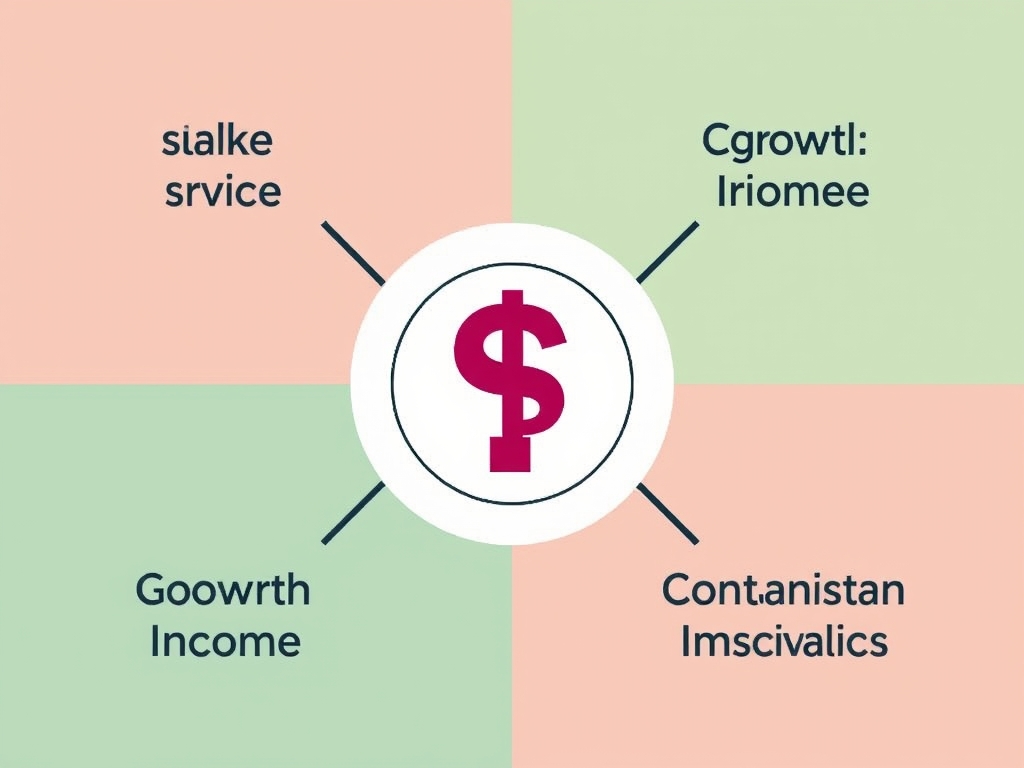
If value investing is about finding hidden gems, then Growth Investing is about spotting the rising stars of tomorrow before they reach the moon. This strategy prioritizes companies that are expected to grow at an above-average rate compared to their industry or the overall market. Instead of looking for a bargain, growth investors are willing to pay a premium for companies with innovative products, expanding market share, or revolutionary technologies. 💡 Think about the tech giants of today; they were the growth stocks of yesterday that reinvested every penny of profit back into the business. On the flip side, we have Income Investing, which is the favorite of those seeking a steady paycheck from their portfolio. 🏦 Here, the focus shifts toward assets that generate regular cash flow, such as:
- Dividend-paying stocks: Established companies that share profits with shareholders.
- REITs: Real estate ventures for passive income generation.
- Bonds: Fixed-income instruments that provide predictable interest payments.
Income investing is often seen as a more conservative route, providing a cushion during volatile market cycles. While growth stocks might fluctuate wildly, a solid income portfolio keeps churning out capital regardless of price swings. This capital can then be reinvested to harness the power of compounding for future wealth. For many, the ultimate goal is to reach a point where dividends cover their monthly living expenses. It is a slow and steady process that prioritizes financial stability over rapid capital appreciation. Balancing these two can provide both the engine for growth and the anchor for stability in your financial journey.

📈 Riding the Wave or Going Against the Grain?
Now, let’s talk about moving with the current versus swimming against it, specifically through Momentum and Contrarian approaches. 🌊 Momentum Investing is built on the empirical observation that stocks which have performed well in the recent past tend to continue that trend in the short term. It’s the “buy high, sell higher” philosophy, where investors use technical analysis and trend-following indicators to ride the wave of market sentiment. This requires a high level of active monitoring and a strict exit strategy to avoid being caught when the trend inevitably reverses. In stark contrast, the Contrarian Strategy involves going against the grain—buying when others are fearful and selling when others are greedy. 📉 Contrarians look for opportunities in sectors or stocks that are currently out of favor, betting that the crowd has overreacted to negative news. This approach requires immense psychological discipline because you are often the only one buying while everyone else is running for the exits. It’s a high-conviction style that relies on the mean reversion principle, assuming that extreme market sentiments are temporary. Both strategies offer unique ways to capitalize on human psychology and market inefficiencies, but they require very different mindsets to execute. Momentum seeks to exploit the herd mentality, while contrarians seek to profit from the herd’s mistakes. Ultimately, mastering these styles can give you a significant edge in navigating different market regimes throughout your investing career.

🛡️ Crafting Your Master Plan: Diversification and Risk
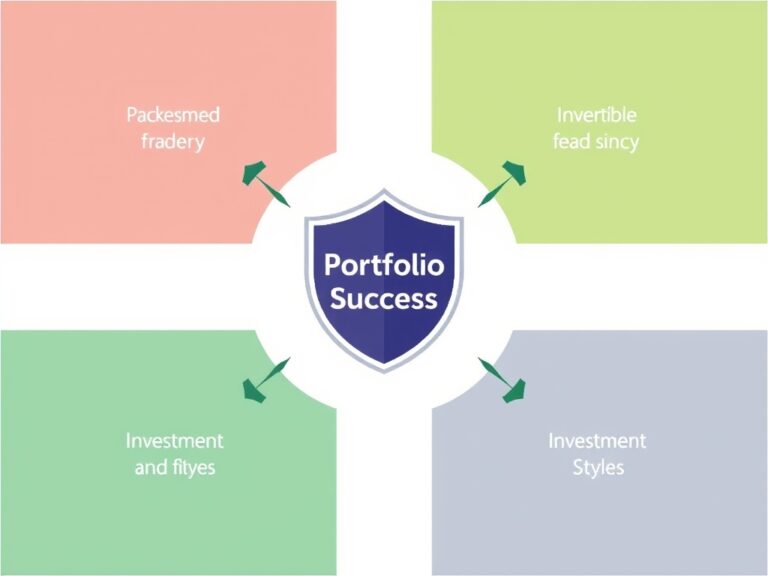
Choosing the right mix of these investment strategies depends heavily on your personal financial goals, time horizon, and risk tolerance. 🎯 No single approach is best for everyone, and most experts recommend a diversified strategy that blends various styles to mitigate risk effectively. For instance, a young investor might lean heavily toward growth and momentum to maximize long-term wealth, while someone nearing retirement might shift toward income and value for security. ⏳ Effective risk management is the glue that holds these strategies together, ensuring that a single bad bet doesn’t derail your entire future. Consider these key components of a balanced approach to stay ahead of the game:
- Asset Allocation: Spreading your money across different asset classes like stocks and bonds.
- Sector Diversification: Ensuring you aren’t overexposed to a single industry.
- Periodic Rebalancing: Maintaining your desired risk profile as markets move.
- Emotional Control: Staying the course even when the market gets bumpy or volatile.
By understanding the nuances of value, growth, income, momentum, and contrarian tactics, you become a more versatile and resilient investor. Remember that the most important factor in investing isn’t just the strategy itself, but your ability to stick with it through thick and thin. Markets will change, and economic cycles will turn, but a well-researched and disciplined plan will always be your best defense. Take the time to educate yourself continuously, stay humble, and keep your eyes on the long-term prize of financial independence. Your future self will certainly thank you for the effort you put in today to master these professional-grade concepts and build a legacy.