
Unlocking Market Potential: Value, Growth, Income, Momentum, and Contrarian Investing Strategies
Mastering the Art of Portfolio Diversification
Navigating the stock market can often feel like steering a ship through a storm, but understanding core investing strategies is your compass for long-term wealth. Whether you are a novice or a seasoned trader, unlocking market potential requires a blend of discipline and insight into five primary investment styles. We will explore how Value, Growth, Income, Momentum, and Contrarian approaches serve as the pillars of a robust financial strategy. Think of these strategies not as mutually exclusive paths, but as tools in your utility belt that can be deployed depending on the economic climate. By mastering these techniques, you gain the ability to spot opportunities where others see only noise, helping you build a resilient portfolio. It is about moving beyond blind luck and into the realm of calculated, data-driven decisions that stand the test of time. Let us break down how each style functions so you can determine which aligns best with your unique financial goals and risk tolerance. Are you ready to level up your investing game and take control of your financial future today?
Value and Growth: The Classic Tug-of-War
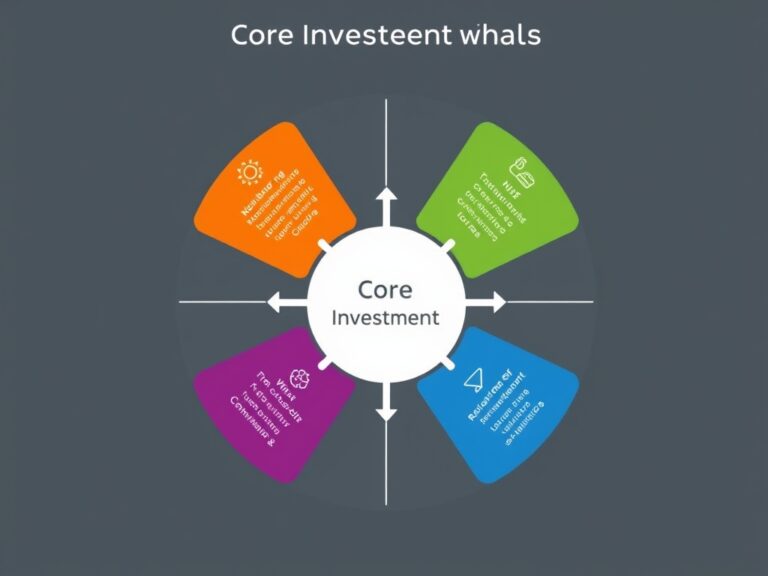
At the heart of the market, we find the perennial debate between Value Investing and Growth Investing, two approaches that offer distinct flavors of success. Value investors, following in the footsteps of Benjamin Graham, look for stocks that are undervalued—diamonds in the rough that the market has temporarily mispriced due to pessimism. On the other hand, Growth investors focus on companies with high potential for future expansion, often betting on tech disruptors or startups that prioritize revenue scaling over current dividends. Both strategies require a keen eye for fundamentals, but they look for different signals in the balance sheet. Consider these key differences:
- Value: Low P/E ratios, steady dividends, and a ‘safety margin’ approach.
- Growth: High innovation rates, aggressive reinvestment, and strong market share expansion.
Balancing both can often provide the ‘best of both worlds,’ mitigating risk while capturing significant upside potential in bullish markets. It is not about choosing a side, but rather understanding which lens is appropriate for the current business cycle you are analyzing.
Income, Momentum, and the Contrarian Edge
Once you understand growth and value, you must incorporate Income, Momentum, and Contrarian strategies to truly optimize your potential. Income investing is all about the steady climb, utilizing dividend-paying stocks or bonds to create a reliable cash-flow stream that compounds over decades. Conversely, Momentum investing operates on the principle that stocks trending upward tend to keep rising, essentially ‘riding the wave’ of investor sentiment. Then there is the Contrarian approach, which is perhaps the most psychological: you buy when everyone else is panic-selling and sell when the market is euphoric. This style requires immense emotional discipline but often leads to the highest long-term rewards if you can time the market cycles correctly.
- Income: Provides psychological security during market dips.
- Momentum: Captures the energy of the crowd.
- Contrarian: Exploits the inefficiencies of human fear and greed.
By blending these, you create a sophisticated engine that generates wealth in virtually any market environment.

Building Your Personalized Investment Roadmap
Ultimately, the key to unlocking your true market potential lies in your ability to synthesize these strategies into a single, cohesive investment plan that reflects your values. You do not need to be an expert in every niche, but you must know how to allocate your capital effectively across these five methodologies to optimize risk-adjusted returns. Start by evaluating your timeline: are you saving for a goal five years away, or are you looking toward a retirement horizon in three decades? If you have a long runway, you might lean into growth and momentum; if you are closer to your goal, focusing on value and income might be your safest bet. Always remember to rebalance your portfolio periodically to ensure your exposure aligns with your evolving risk tolerance. Staying educated is an ongoing process, as market conditions change, and so too must your tactical approach to the assets you hold. Keep learning, stay patient, and trust the process of disciplined, strategic allocation to achieve your financial dreams.