
Value, Growth, Income, Momentum & Contrarian Investing: Your Complete Guide
Mastering the Art of Investment Styles
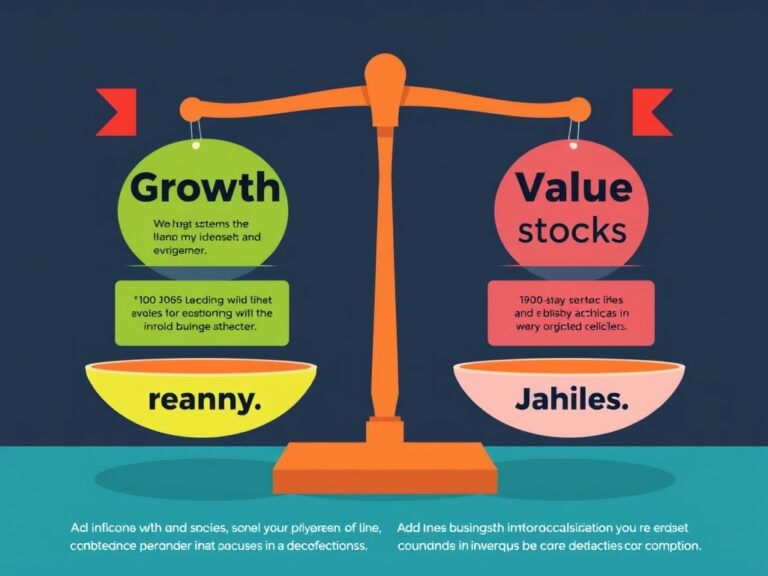
Welcome to your comprehensive guide on the most powerful investment strategies in the financial world. Whether you are a beginner or a seasoned pro, understanding Value, Growth, Income, Momentum, and Contrarian investing is essential for building a robust portfolio. Investing isn’t just about picking stocks; it’s about aligning your financial goals with a proven philosophy that matches your personal risk tolerance. Value investing, popularized by legends like Benjamin Graham, focuses on finding undervalued gems trading for less than their intrinsic worth. Think of it as shopping for high-quality goods during a massive clearance sale. On the other hand, Growth investing targets companies expected to grow at an above-average rate compared to the market. You are essentially paying for potential and future earnings expansion. By diversifying your approach, you can hedge against market volatility while capitalizing on different economic cycles. It’s a bit like building a balanced meal—you need a variety of ingredients to keep your financial health in peak condition. Let’s dive deeper into how you can blend these styles effectively. Are you ready to take control of your financial destiny and start investing like a pro?
The Mechanics of Income and Momentum Investing
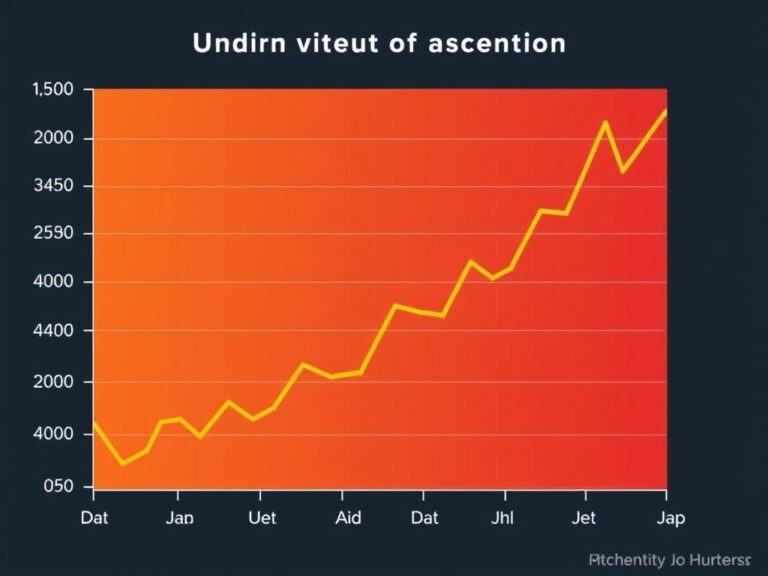
Once you understand the basics, it is time to look at Income investing and Momentum investing, two strategies that serve very different purposes in your portfolio. Income investing is all about consistency; it prioritizes assets that generate regular cash flow, such as high-dividend stocks, bonds, or REITs. This is the bedrock of retirement planning for many investors because it provides a steady stream of passive income regardless of market swings. In contrast, Momentum investing is a high-octane strategy based on the belief that stocks that have been trending upward will continue to do so in the short term. It relies heavily on technical analysis and identifying market trends before they hit their peak. Here is why you might choose one over the other:
- Income Investing: Ideal for stability, lower risk, and long-term wealth preservation.
- Momentum Investing: Perfect for active traders looking to capture quick gains during bullish market phases.
Combining these strategies can provide a ‘best of both worlds’ scenario where your dividends provide a safety net while your momentum picks provide that extra performance boost. Always remember that momentum strategies require closer monitoring to avoid getting caught when a trend finally reverses. Stay disciplined and always use stop-loss orders when playing with momentum assets.
Embracing the Contrarian Mindset
Finally, we arrive at the most psychologically challenging but often most rewarding strategy: Contrarian investing. To be a contrarian, you must be willing to swim against the tide, buying when everyone else is panic-selling and selling when the market is caught in irrational exuberance. As the saying goes, ‘be greedy when others are fearful and fearful when others are greedy.’ This approach requires significant emotional intelligence and a deep understanding of market psychology to avoid getting trapped in ‘value traps.’ Contrarian investors look for companies that have been unfairly punished by the market due to temporary setbacks, rather than fundamental flaws. Why does this work? Because markets often overreact to bad news, creating a gap between a company’s price and its true value. Key steps to implement this strategy include:
- Monitoring sentiment indicators to spot extreme fear in the market.
- Performing rigorous due diligence to ensure the company has the financial strength to recover.
- Setting clear exit strategies to lock in profits once the market sentiment normalizes.
While it can feel lonely to bet against the crowd, the long-term historical returns for disciplined contrarians speak for themselves. You don’t have to follow the herd to succeed; in fact, the herd is often exactly where you don’t want to be. Keep your head on a swivel and your eyes on the data, not the panic on the evening news.