
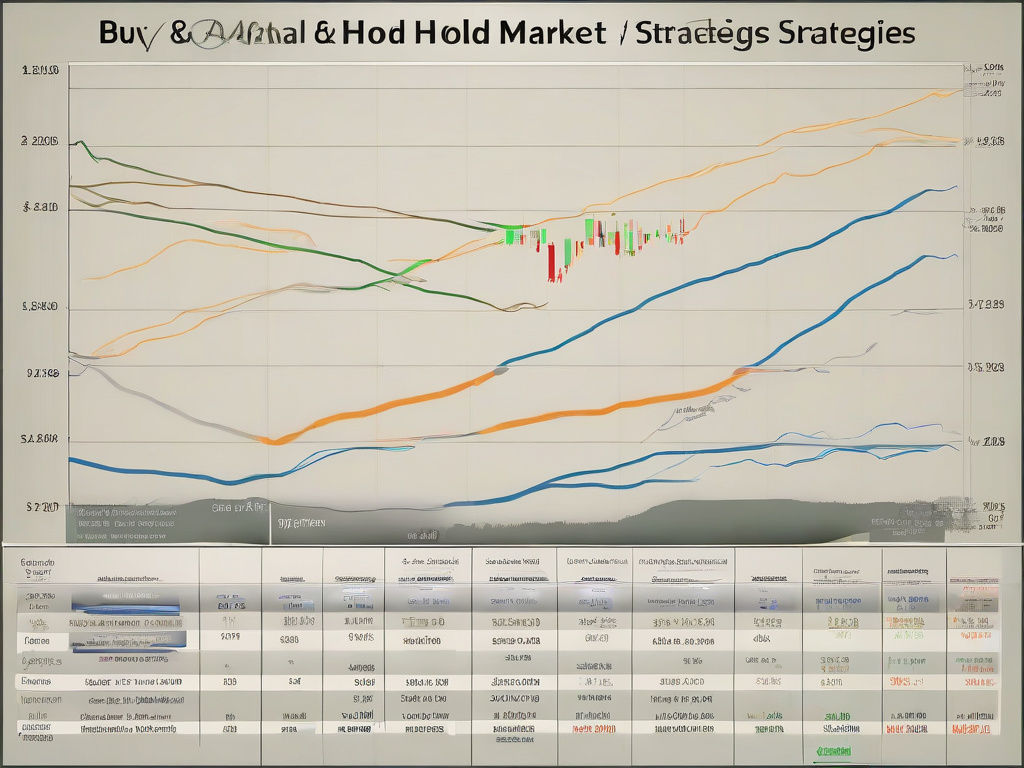
Unveiling the Power of Patience: Why ‘Buy and Hold’ Dominates in the Long Run
Embracing the Enduring Wisdom of Patience in Investing
In the ever-evolving landscape of financial markets, investors are continuously faced with the dilemma of choosing the right strategy to grow their wealth. While some are tempted by the allure of quick gains through market timing, a closer examination reveals that patience and consistency often outperform frantic attempts to predict market movements. The ‘Buy and Hold’ approach embodies this philosophy, advocating for purchasing quality assets and maintaining positions regardless of short-term fluctuations. This strategy leverages the power of compounding and market resilience, making it a formidable choice for those with a long-term vision.
Why ‘Buy and Hold’ Triumphs Over Market Timing in the Long Run
Market timing, though seemingly appealing with the promise of buying low and selling high, is notoriously difficult to execute successfully. Even seasoned investors struggle to accurately predict short-term market swings, often leading to missed opportunities or significant losses. Conversely, ‘Buy and Hold’ capitalizes on the historical upward trajectory of markets. Over decades, markets tend to recover from downturns, rewarding those who stay invested with substantial growth. The empirical evidence consistently demonstrates that attempting to outsmart the market through timing strategies often results in underperformance compared to a steady, disciplined buy-and-hold approach.
Furthermore, the psychological pitfalls associated with market timing—such as fear, greed, and impulsiveness—can erode gains and cause investors to make emotionally driven decisions. ‘Buy and Hold’ mitigates these risks by fostering a mindset of patience and discipline, enabling investors to ride out volatility and benefit from market recoveries. In essence, the strategy aligns with the natural growth patterns of economies and markets, making it not just a method but a philosophy rooted in trust in long-term economic fundamentals.
In conclusion, while market timing may tempt with the prospect of quick wins, it is ultimately the steadfastness of a buy-and-hold mentality that has proven to generate sustainable wealth over generations. The secret lies in understanding that investing is a marathon, not a sprint, and patience remains the most powerful tool in an investor’s arsenal.
The Illusion of Timing: Debunking Myths and Revealing the Reality of Market Fluctuations
One of the most persistent misconceptions in investing is the belief that timing the market can reliably lead to superior returns. This myth, deeply ingrained in popular financial wisdom, often lures investors into attempting to predict short-term movements, driven by headlines of crashes or rallies. However, the reality is starkly different. The allure of perfectly entering or exiting the market at just the right moment is a seductive illusion—one that consistently misleads even seasoned investors. Historical data underscores that market fluctuations are inherently unpredictable in the short run, making any attempt to ‘beat the market’ through timing a game of chance rather than skill.
Challenging the Myth of Precision in Market Entry and Exit
Many investors envision a foolproof method of buying when prices are low and selling when they peak. Yet, in practice, these decisions are clouded by emotional biases, misinformation, and unforeseen economic events. Market timing relies heavily on perfect foresight—a feat that is practically impossible. Even experts admit that they cannot consistently predict short-term swings, which often leads to premature exits or missed opportunities. This false sense of control fosters a dangerous cycle of reactive trading, where impulsiveness erodes long-term gains instead of safeguarding them. The inevitable result? Investors frequently find themselves on the losing end of their own assumptions, suffering from unnecessary losses and missed growth opportunities.
Market Fluctuations Are Part of the Investment Journey
Contrary to the myth of predictability, market volatility is an intrinsic feature of financial systems. These fluctuations, rather than signals of impending doom or opportunity, are often just noise within a larger upward trajectory. The key to long-term wealth is understanding that markets tend to recover from downturns, given time and resilience. The real breakthrough is recognizing that attempting to outsmart these natural cycles through timing strategies is more often a gamble than a prudent approach. The consistent pattern of economic expansion, reinforced by technological innovation and increasing productivity, suggests that patience and steadfastness are more reliable than speculative moves. By dismissing the illusion of perfect timing, investors can focus on building robust portfolios that withstand the inevitable ebbs and flows of the market, ultimately aligning with the long-term growth trajectory that has historically rewarded disciplined investors.
Strategic Resilience: How Consistent Investment Triumphs Over Opportunistic Market Moves
In the landscape of wealth accumulation, resilience is often the unsung hero that determines long-term success. While the allure of seizing fleeting market opportunities can tempt investors, the true power lies in a steadfast commitment to consistent investment. The strength of this approach is rooted in its ability to withstand the inevitable storms of market volatility, transforming temporary setbacks into opportunities for growth. Strategic resilience is about maintaining course, not reacting impulsively to every market fluctuation. It fosters a disciplined mindset that recognizes the importance of staying invested through economic cycles, thereby harnessing the natural upward trajectory of markets over time.
Investors who prioritize resilience understand that market downturns are merely pauses in a larger story of growth. Instead of succumbing to panic or making rash decisions, they focus on the fundamentals—adding to positions when prices dip and remaining committed during periods of turbulence. This consistency allows their portfolios to benefit from compounding and the power of economic recovery, which are often underestimated in short-term reactive strategies. The truth is, the greatest wealth is built not by timing the market but by enduring through its unpredictable yet inevitable cycles.
This approach also cultivates a psychological edge. It diminishes the impact of emotional biases like fear and greed that often derail opportunistic moves. By embracing a resilient strategy, investors develop patience and confidence, which are critical for navigating the complexities of the financial markets. Such discipline turns market volatility into a catalyst for growth rather than a source of anxiety, ultimately ensuring that their investments are aligned with long-term economic fundamentals rather than fleeting market fads. In the end, the greatest advantage of a resilient, buy-and-hold mindset lies in its ability to turn market adversity into a pathway for sustained wealth creation.
Building a Fortress of Financial Security Through Consistency
Consistency in investment acts as a fortress, protecting portfolios from the pitfalls of impulsive decision-making and short-lived market trends. The strategic advantage of this method is rooted in its capacity to generate stable, compounding returns over decades. When investors prioritize regular contributions and hold onto quality assets, they create a buffer against the inevitable fluctuations that define markets. This unwavering commitment transforms temporary setbacks into opportunities for acquiring undervalued assets, thereby positioning portfolios for future growth. The true resilience of this approach stems from its alignment with the natural rhythm of economic expansion. It minimizes exposure to the destructive effects of market timing errors, which often erode gains and diminish confidence. Instead, it champions a long-term vision that recognizes the importance of patience, discipline, and faith in economic fundamentals. The resulting stability not only fortifies wealth but also fosters peace of mind, allowing investors to focus on their financial goals without being swayed by the noise of daily market movements. Ultimately, resilience through consistent investment emerges as the cornerstone for enduring financial success, proving that the greatest returns are often the result of steady perseverance rather than opportunistic gambles.