
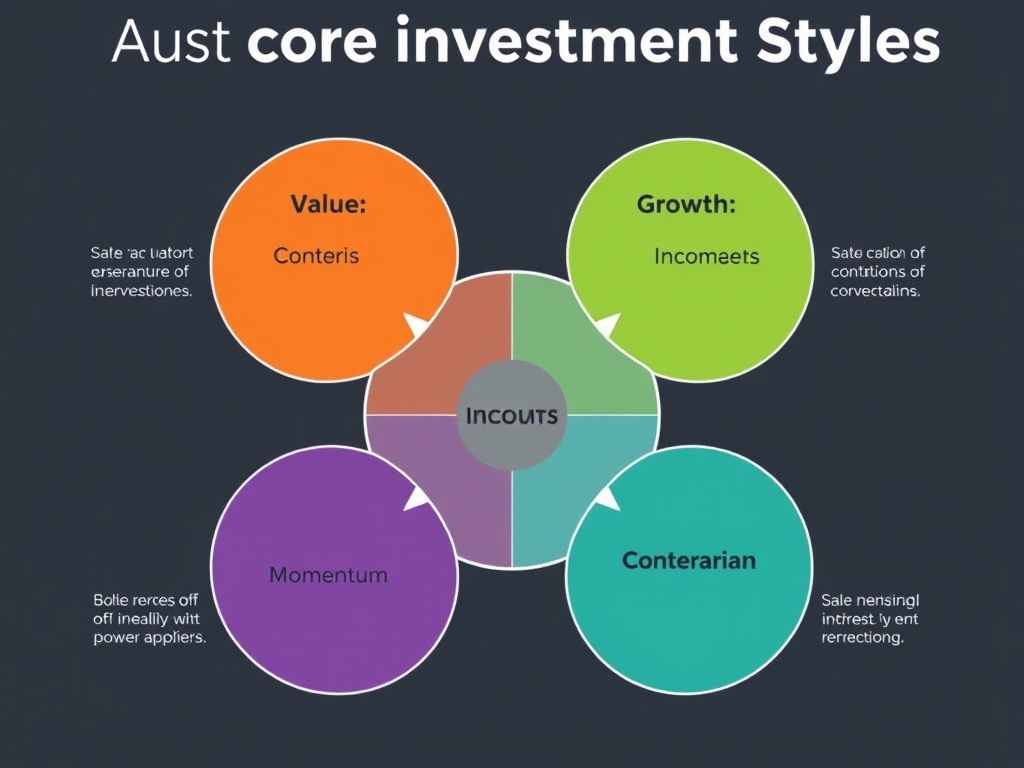
Mastering Investment Styles: Value, Growth, Income, Momentum, and Contrarian Strategies Explained
🚀 Introduction to Strategic Investing
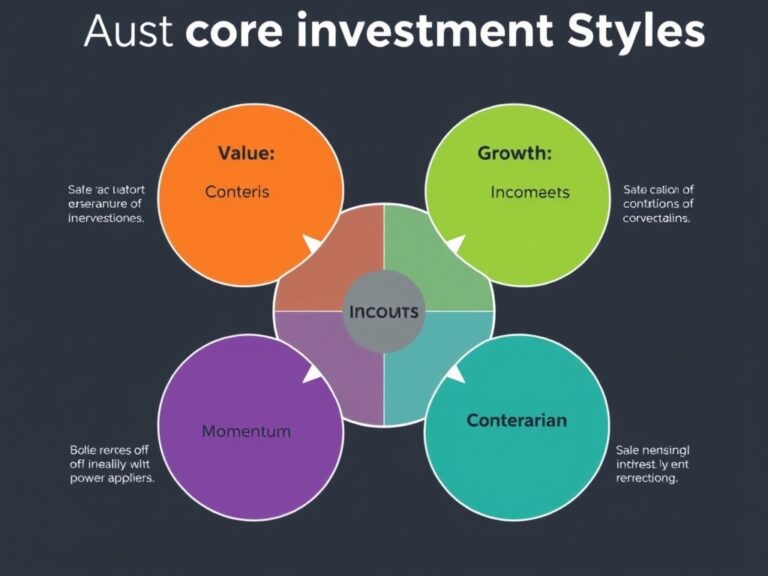
Welcome to the exciting world of wealth building, where mastering different investment styles is the key to unlocking your financial potential! Mastering Investment Styles: Value, Growth, Income, Momentum, and Contrarian Strategies Explained is more than just a catchy title; it’s a roadmap for your financial future. Choosing the right strategy isn’t just about picking stocks; it’s about aligning your money with your personality and long-term goals. Whether you are a cautious saver or a thrill-seeking trader, understanding these core methodologies—Value, Growth, Income, Momentum, and Contrarian—will transform how you view the market. Think of these styles as different tools in a craftsman’s belt, each serving a unique purpose depending on the economic climate. You wouldn’t use a hammer when you need a screwdriver, right? Similarly, a Value approach might excel during a market recovery, while Growth takes the lead during technological booms. By the end of this guide, you will have a clear roadmap to navigate the complexities of Wall Street with confidence and precision. We are going to break down the technical jargon into simple, actionable insights that even a beginner can grasp. It is time to stop guessing and start strategizing like a pro. Let’s dive deep into the first two heavy hitters of the investing world and see which one resonates with your vision. Success in the market starts with education and ends with a disciplined execution of your chosen style. Ready to take your portfolio to the next level?
💎 The Classic Duel: Value vs. Growth Investing
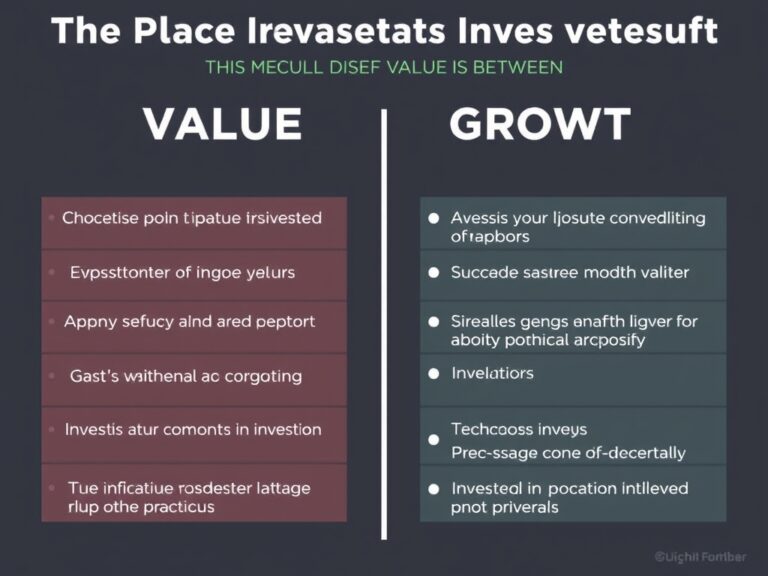
When we talk about Value Investing, think of it as the ultimate bargain hunting where you look for stocks trading for less than their intrinsic value. It’s the strategy made famous by legends like Warren Buffett, focusing on companies that the market has temporarily overlooked or undervalued. On the flip side, Growth Investing is all about chasing the ‘next big thing’ by putting your capital into companies expected to grow at an above-average rate. While value investors seek safety margins, growth investors are willing to pay a premium for high-speed expansion and future dominance. Here is a quick breakdown of what makes them tick:
- Value Investing: Low P/E ratios, high dividend yields, and stable business models.
- Growth Investing: High reinvestment rates, innovative products, and often no dividends.
Choosing between these two often depends on your risk tolerance and time horizon. Value tends to be more defensive, providing a cushion during downturns, whereas growth can offer explosive returns during bull markets. However, the best portfolios often find a balance between the two, known as ‘Growth at a Reasonable Price’ (GARP). You need to decide if you want to buy the dollar for eighty cents or buy a seed that will grow into a massive oak tree. Both paths lead to wealth, but the journey feels very different for your nerves. Mastering this balance is the first step toward a sophisticated investment strategy. It is about understanding the fundamental worth of what you own.
📈 Riding the Wave: Income and Momentum Strategies
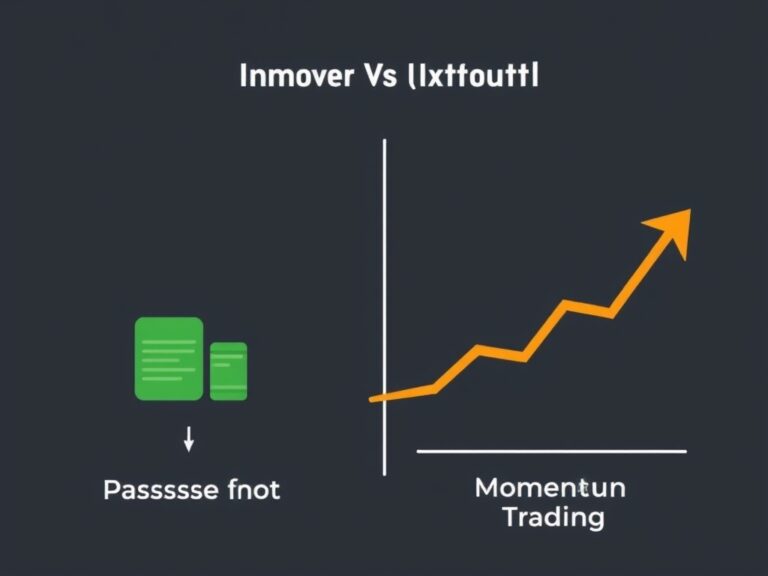
Moving on, let’s explore Income Investing and Momentum Strategies, two styles that focus on cash flow and market physics respectively. 💰 Income Investing is the favorite of those seeking passive income, as it prioritizes stocks and assets that pay regular dividends or interest. It’s like planting a fruit tree and living off the harvest without ever cutting down the tree itself. Conversely, Momentum Investing is built on the empirical observation that ‘winners keep winning.’ Momentum traders look for stocks that are already trending upward, betting that the existing trend will continue long enough to capture a profit. This style requires a keen eye on technical indicators and a very disciplined exit strategy to avoid the eventual reversal. There are significant pros to both:
- Income Benefits: Reduced volatility, steady cash flow, and compounding growth.
- Momentum Benefits: Potential for rapid gains and capitalizing on market psychology.
While income seekers are often looking for stability, momentum seekers are looking for velocity. Understanding these two can help you decide if you want a steady paycheck from your portfolio or if you want to ride the strongest currents in the market. Each requires a different level of attention; income is often ‘set and forget,’ while momentum demands active monitoring. By blending these, you can create a portfolio that both pays you to wait and captures the market’s biggest moves. It’s all about finding the right tempo for your financial life.
🔥 Going Against the Grain: The Contrarian Approach
Finally, we reach the Contrarian Strategy, which is perhaps the most psychologically challenging yet rewarding investment style. 🧭 A contrarian investor intentionally goes against the prevailing market sentiment—buying when others are panicking and selling when the crowd is euphoric. As the saying goes, ‘be fearful when others are greedy, and greedy when others are fearful.’ This approach requires nerves of steel and a deep belief in your fundamental analysis, as you will often be standing alone against the consensus. It’s not just about being different for the sake of it; it’s about identifying market inefficiencies caused by emotional overreactions. Integrating contrarianism into your broader strategy can protect you from market bubbles and help you find massive opportunities at the bottom of a crash. Here are the core pillars of this mindset:
- Extreme patience to wait for the market to realize its mistake.
- Heavy focus on fundamental research over news headlines.
- High emotional intelligence to resist the ‘herd mentality.’
Ultimately, mastering investment styles is about self-discovery as much as it is about finance. You must synthesize these strategies into a cohesive plan that matches your financial goals. Remember, the best strategy is the one you can stick to when things get tough. Now that you have the tools, it’s time to analyze your current holdings and see where you can optimize for the future! You are now equipped to navigate the market like an expert.