

The 5 Essential Investment Strategies: How to Choose the Right Approach for Your Portfolio
Mastering Your Financial Future: Understanding Investment Strategies
Building wealth isn’t just about picking a lucky stock; it’s about having a clear roadmap tailored to your personal goals. Many beginners feel overwhelmed by the sheer volume of jargon, but choosing the right investment strategy is simpler than you think once you break it down. Whether you are aiming for early retirement or saving for your child’s education, your approach dictates your success. Diversification is the golden rule, acting as a shield against market volatility while keeping your growth potential intact. Think of your portfolio as a garden; you wouldn’t plant only one type of seed, would you? By understanding these five core strategies, you can transition from an anxious saver to a confident investor. We will explore everything from passive indexing to active trading, ensuring you have the tools to make informed decisions. Remember, the ‘right’ strategy is the one that aligns with your risk tolerance and time horizon. Let’s dive into how you can start taking control of your financial destiny today.
1. Growth Investing: Aiming for the Stars
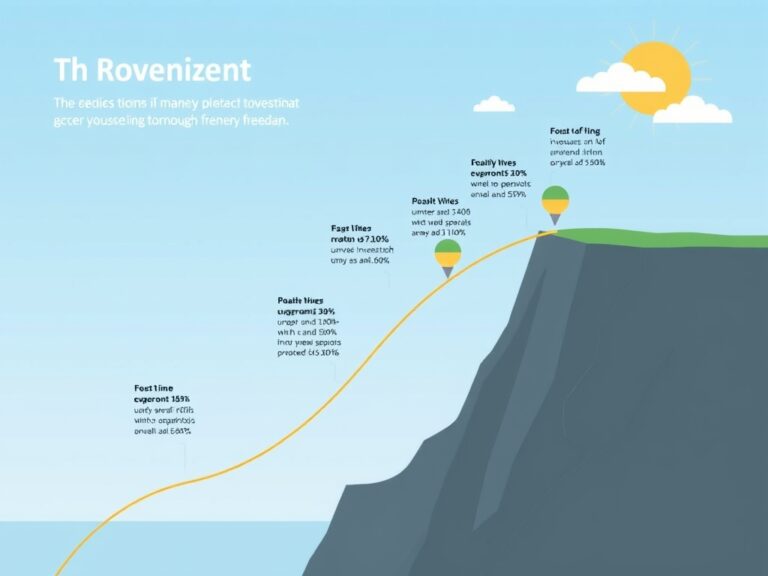
Growth investing is for those who are comfortable with higher volatility in exchange for the potential of significant capital appreciation. These investors typically target companies that are expected to grow at an above-average rate compared to other companies in the market. You are essentially looking for the next industry disruptor, which requires a bit more research and a strong stomach for price swings.
- Focus on companies with strong innovation pipelines.
- Prioritize businesses with high profit margins.
- Accept that these stocks often don’t pay dividends, as they reinvest earnings.
It is an exhilarating approach if you have a long time horizon, usually 10 to 20 years. Because you are buying into the future, the ‘now’ price matters less than the long-term scalability of the business model. Always keep an eye on market trends to ensure your chosen companies remain competitive. This strategy requires discipline and the ability to ignore the daily noise of the stock market. With high growth comes high stakes, but for many, the rewards are worth the wait.
2. Dividend Growth Investing: The Passive Income Engine
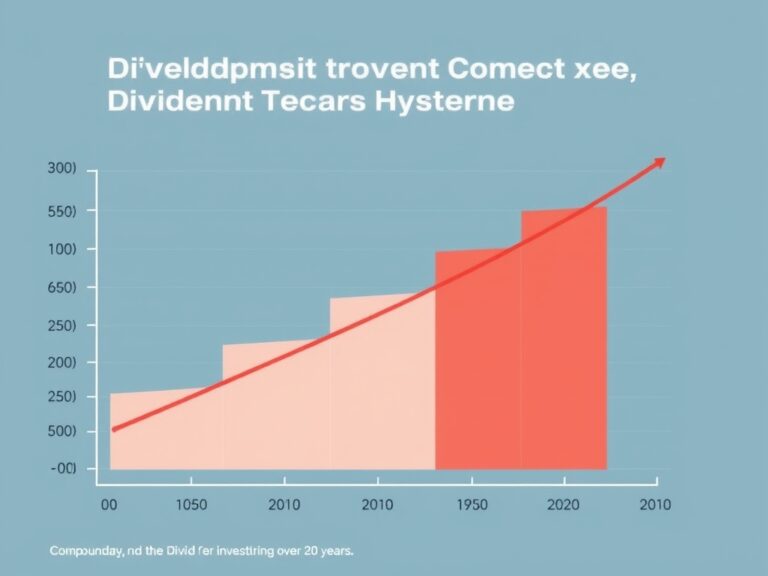
If you prefer a steadier path, dividend growth investing might be your perfect match. This strategy focuses on companies that not only pay dividends but consistently increase them year after year. It is a powerful way to build compounding wealth while also receiving periodic cash flow that can be reinvested.
- Look for ‘Dividend Aristocrats’—companies with 25+ years of consecutive increases.
- Check the payout ratio to ensure the company can sustain its payments.
- Focus on stable, established industries like consumer staples or utilities.
By reinvesting these dividends, you harness the incredible power of compound interest, which can significantly accelerate your portfolio growth over decades. It is a more defensive approach that often provides peace of mind during market downturns. You are effectively owning a slice of a company that prioritizes returning value to its shareholders. This strategy is excellent for investors who want to see tangible results from their investments without having to sell their shares constantly. It is essentially building your own personal pension fund through smart, methodical choices.
3. Value Investing: Finding Hidden Gems
Popularized by legends like Warren Buffett, value investing is all about buying stocks that appear to be trading for less than their intrinsic value. You are essentially looking for a ‘bargain’—a company that has solid fundamentals but is currently overlooked or misunderstood by the broader market. This requires deep research into financial statements, price-to-earnings ratios, and market sentiment analysis.
- Search for companies with low debt levels and strong cash flows.
- Be patient; it can take time for the market to realize the stock’s true worth.
- Ignore short-term fads in favor of long-term business viability.
The core philosophy is that the market is often irrational in the short term but eventually corrects itself. When you buy undervalued assets, you are building in a ‘margin of safety’ that protects you if your analysis is slightly off. It is not about timing the market, but rather time in the market with high-quality assets. This approach is highly rewarding for analytical investors who enjoy digging into the details. Ultimately, it turns the market into a place where you shop for value rather than speculation.
4. Index Fund Investing: The ‘Set It and Forget It’ Method
For most individual investors, index fund investing is the gold standard for long-term success. Instead of trying to pick individual ‘winners,’ you buy a basket of stocks that mirrors a market index like the S&P 500. This provides instant diversification across hundreds or thousands of companies, effectively lowering your risk significantly.
- Benefit from ultra-low management fees compared to mutual funds.
- Eliminate the stress of individual stock selection and monitoring.
- Maintain consistent market returns over the long haul.
By keeping your strategy simple, you avoid the common pitfalls of emotional trading and high turnover costs. It is arguably the most efficient way to build wealth for retirement, as history has shown that most active managers fail to beat the market consistently. You can choose from various indices, including total stock market funds, international funds, or bond funds, to customize your allocation. This is the strategy of choice for busy professionals who want their money to work hard without consuming their time. Consistency is key, so automate your contributions and let the market do the heavy lifting for you.
5. Asset Allocation: The Final Piece of the Puzzle
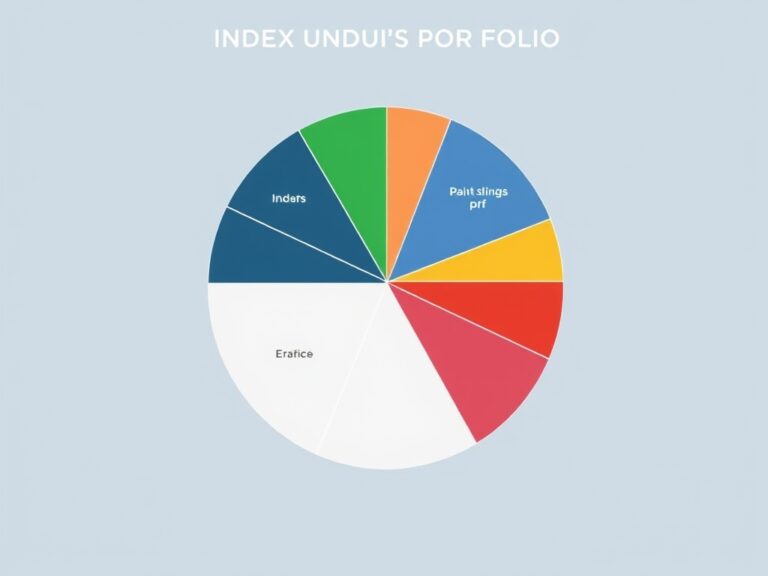
Finally, your overall asset allocation—the mix of stocks, bonds, and cash—is the most important driver of your returns. Even the best individual investments will fail if your portfolio is not balanced according to your risk tolerance and timeline. As you grow closer to your financial goals, you might shift from a growth-heavy allocation to a more conservative, income-focused one.
- Rebalance your portfolio annually to maintain your target percentages.
- Keep an emergency fund in cash to avoid selling stocks when the market dips.
- Adjust your exposure based on your age and life stage.
Remember that no single strategy is superior in every market condition; a blend of these approaches often yields the best results. By maintaining a well-diversified portfolio, you ensure that no single event can derail your entire financial future. Stay educated, keep your emotions in check, and remain disciplined in your long-term vision. Choosing the right approach is a journey of self-discovery as much as it is a financial exercise. With these strategies in your toolkit, you are well-equipped to navigate the complexities of the market with confidence and ease.