

The Ultimate Guide to Value, Growth, Income, Momentum, and Contrarian Investing
Mastering the Markets: Your Ultimate Investment Strategy Guide
Navigating the complex world of finance can feel like learning a new language, but understanding different investment styles is your first step toward true wealth building. Whether you are a beginner or a seasoned pro, identifying your approach—whether it is Value, Growth, Income, Momentum, or Contrarian—can fundamentally shift your results. At its core, investing isn’t just about picking stocks; it’s about aligning your portfolio with your personality and risk tolerance. Value investing, famously championed by Warren Buffett, focuses on finding stocks trading for less than their intrinsic worth, essentially ‘buying a dollar for fifty cents.’ On the flip side, Growth investing prioritizes companies expected to grow at an above-average rate, even if they aren’t profitable today. By diversifying your knowledge, you gain the agility to pivot when market conditions shift. Think of these strategies as tools in a handyman’s kit; you wouldn’t use a hammer to turn a screw, so why use the wrong strategy for your financial goals? Let’s dive deep into how these five pillars can elevate your investment game to the next level.
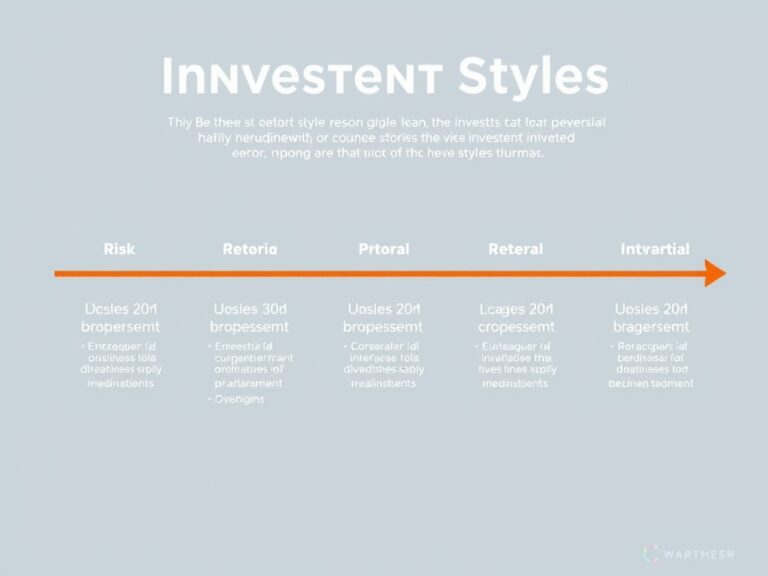
Growth vs. Value: Finding Your Financial Equilibrium
The eternal debate between Growth vs. Value is the cornerstone of portfolio theory, and both have distinct advantages depending on the economic cycle. Growth stocks represent companies like tech giants that are reinvesting earnings to innovate, offering explosive potential but higher volatility. In contrast, Value stocks are often established, mature companies—think utilities or banks—that pay consistent dividends and trade at a discount. To build a robust portfolio, consider the following checklist:
- Assess your time horizon: Are you investing for retirement in 30 years or a house in 5?
- Check your risk appetite: Can you stomach a 20% drop for the chance of a 50% gain?
- Review sector exposure: Don’t put all your eggs in one tech basket.
- Evaluate valuation metrics: Look at P/E ratios and cash flow.
By balancing these two, you create a buffer against market crashes while still participating in market rallies. Remember, there is no ‘perfect’ strategy, only the one that keeps you disciplined during the inevitable downturns that every investor eventually faces.
Income, Momentum, and the Power of Contrarian Thinking
Beyond growth and value, Income investing is the secret weapon for those seeking financial freedom through steady cash flow. By focusing on dividend-paying stocks and bonds, you turn your portfolio into a personal paycheck machine. Then there is Momentum investing, which is based on the philosophy that ‘the trend is your friend.’ This strategy involves buying assets that are already rising, assuming they will continue to climb in the short term. Finally, we have Contrarian investing, which is arguably the most psychologically difficult but potentially rewarding method: it involves going against the herd. When everyone else is selling in a panic, the contrarian is buying because they see a bargain that the crowd missed. This requires nerves of steel and deep fundamental analysis to ensure you aren’t just buying a ‘value trap.’
- Income: Focuses on stability and compound interest.
- Momentum: Focuses on market sentiment and technical trends.
- Contrarian: Focuses on market psychology and undervalued assets.
Integrating these allows you to capitalize on different market phases, ensuring your money is always working as hard as possible for you.
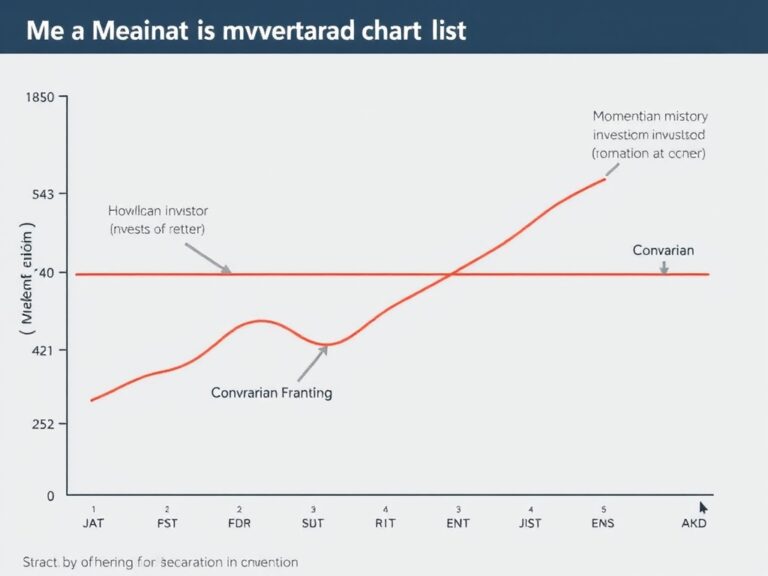
Building Your Personalized Investment Strategy
Now that you understand these five pillars, how do you actually put them together to create a winning strategy? Start by conducting a ‘financial audit’ of your current assets to see where you might be over-leveraged. If you are young, you might lean heavily into Growth and Momentum to maximize compounding over decades. As you approach retirement, shifting toward Value and Income provides the stability needed to protect your principal. Never underestimate the importance of continuous education; the market is always evolving, and so should your tactics. Keep a journal of your trades or investment decisions to identify your own emotional biases. Are you prone to FOMO (Fear Of Missing Out) with momentum stocks, or are you too hesitant when a value play presents itself? By acknowledging these tendencies, you can create rules to keep yourself on track. Ultimately, the best strategy is the one you can stick with when the markets get turbulent. Keep your eyes on the long term, stay diversified, and always keep learning as you navigate the fascinating world of finance.