

Top 5 Investment Strategies: A Guide to Value, Growth, Income, Momentum, and Contrarian Investing
Welcome to the world of wealth building, where picking the right strategy is like choosing the perfect engine for your financial vehicle! Value investing is perhaps the most famous approach, popularized by legends like Warren Buffett, and it involves finding stocks that the market has significantly undervalued. Essentially, you are looking to buy a dollar for seventy cents by identifying companies with strong fundamentals that are currently trading at a discount. This requires a great deal of patience and a keen eye for fundamental analysis, specifically looking at price-to-earnings (P/E) ratios and book values. You aren’t just buying a ticker symbol; you’re buying a piece of a real, tangible business.
- Focus on calculating intrinsic value.
- Look for a wide ‘margin of safety.’
- Ignore short-term market noise and volatility.
It’s about being a disciplined bargain hunter in a crowded mall where everyone else is paying full price. By focusing on quality companies facing temporary setbacks, you position yourself for massive long-term gains when the market eventually realizes their true worth. This strategy isn’t flashy or fast, but its track record for building multi-generational wealth is absolutely undeniable. If you enjoy digging through financial statements and have the discipline to wait for years, value investing might be your perfect match. Consistency is the key here, as the market can remain irrational longer than you might expect.

On the flip side, we have Growth Investing, which is all about capturing the next big industry leader before it hits its absolute peak. Growth investors aren’t looking for bargains; they are looking for rocket ships with high-speed trajectories. These companies typically reinvest all their profits back into the business to fuel rapid expansion, meaning they rarely pay out dividends to shareholders. Think about the tech giants of today back when they were just small startups operating out of dusty garages. This strategy requires a much higher risk tolerance because growth stocks can be incredibly volatile during market corrections.
- Target companies with high revenue growth rates.
- Focus on innovative and disruptive industries.
- Accept higher valuation multiples for future potential.
You are essentially betting on the future potential of a company rather than its current earnings or cash flow. It’s an incredibly exciting way to invest, especially if you have a long time horizon to weather the inevitable ups and downs of the market. Many investors find success here by identifying disruptive technologies like artificial intelligence, renewable energy, or cutting-edge biotechnology. While it can be a wild ride, the rewards for picking a winner early in its lifecycle can be life-changing for your portfolio. Always remember to diversify, as not every ‘disruptor’ survives the journey to become a market leader.

If you prefer a more steady and predictable approach to building wealth, Income Investing might be the strategy you’ve been searching for. This method focuses on generating a reliable, recurring stream of cash flow, primarily through dividends or consistent interest payments. It is incredibly popular among retirees or those looking to supplement their monthly salary without ever having to sell off their core assets. Instead of waiting for a stock price to double, you get paid a ‘rent’ just for owning the shares!
- Focus on ‘Dividend Aristocrats’ with long histories of raises.
- Explore Real Estate Investment Trusts (REITs) for property exposure.
- Prioritize capital preservation and low volatility.
By systematically reinvesting these dividends, you can harness the incredible power of compound interest to grow your portfolio exponentially over time. It’s like planting a fruit tree that feeds you every single season while the tree itself continues to grow taller and stronger. High-yield bonds and preferred stocks are also very common tools used in a professional income investor’s toolkit. While you might miss out on the 500% gains of a tech startup, you’ll sleep much better at night knowing a check is on its way. This strategy provides a vital psychological safety net during bear markets, as the income often remains steady even when prices dip.

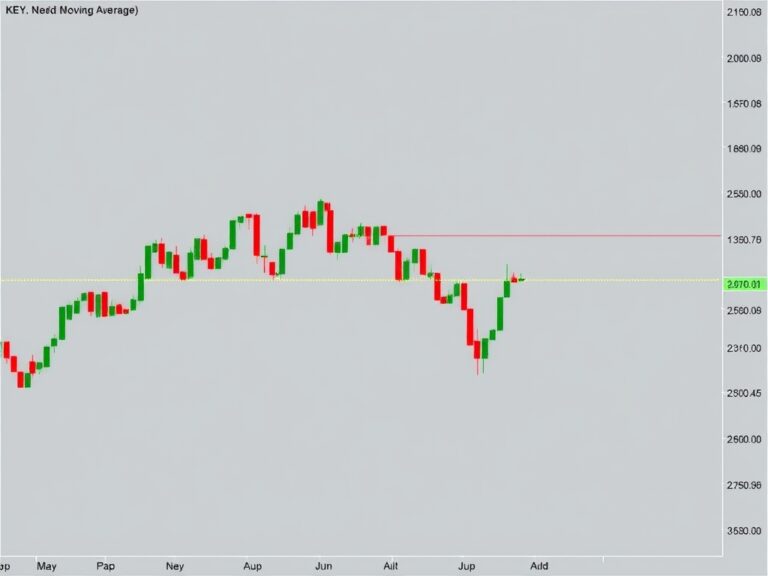
Moving into the faster lane of the stock market, Momentum Investing relies on the powerful idea that ‘the trend is your friend.’ This strategy is based on the empirical observation that stocks moving upward tend to keep moving upward, while those falling tend to continue their descent. It’s less about the ‘why’ of a company’s fundamental value and much more about the ‘what’ of the market’s current emotional sentiment. Momentum traders use technical indicators and price action to jump on a moving train and hop off right before it crashes.
- Analyze moving averages to identify trends.
- Track the Relative Strength Index (RSI) for overbought signals.
- Always utilize stop-loss orders for capital protection.
It requires a significant amount of active management and a strong stomach for quick, data-driven decision-making. You aren’t looking to hold a stock for twenty years; you’re looking to ride the wave for a few months or even just a few weeks. This approach can lead to massive outperformance during strong bull markets when investor optimism is at an all-time high. However, it requires extreme discipline to cut your losses early when the trend inevitably reverses. If you enjoy studying technical charts and staying glued to the latest market news, momentum might be your game. It’s a high-energy strategy that keeps you right in the thick of the market action every single day.
Finally, we have Contrarian Investing, which is the sophisticated art of intentionally going against the herd. As the name suggests, contrarians buy when everyone else is selling in a panic and sell when the market is feeling euphoric and greedy. This strategy is rooted deeply in behavioral finance, exploiting the emotional extremes and irrationalities of other market participants. It takes a huge amount of mental fortitude to buy a stock that the media is currently trashing, but that’s where the biggest opportunities hide.
- Exploit market overreactions to negative news.
- Search for ‘unloved’ sectors that are out of favor.
- Maintain a very long-term and objective perspective.
This isn’t just about being stubborn; it’s about identifying when the market’s pessimism has completely decoupled from a company’s actual reality. By the time a stock is popular and featured on every news channel, the best gains have usually already been made by the early birds. Contrarians believe that markets are often inefficient in the short term due to the basic human emotions of fear and greed. Ultimately, the best investment strategy for you might be a unique blend of these five approaches tailored to your specific financial goals. Whether you are a bargain hunter, a trend follower, or a cash-flow seeker, understanding these pillars is the first step toward true financial mastery. Start small, stay consistent, and let time do the heavy lifting for your future wealth.