
Value, Growth, Income, Momentum, Contrarian: 5 Investing Strategies to Master
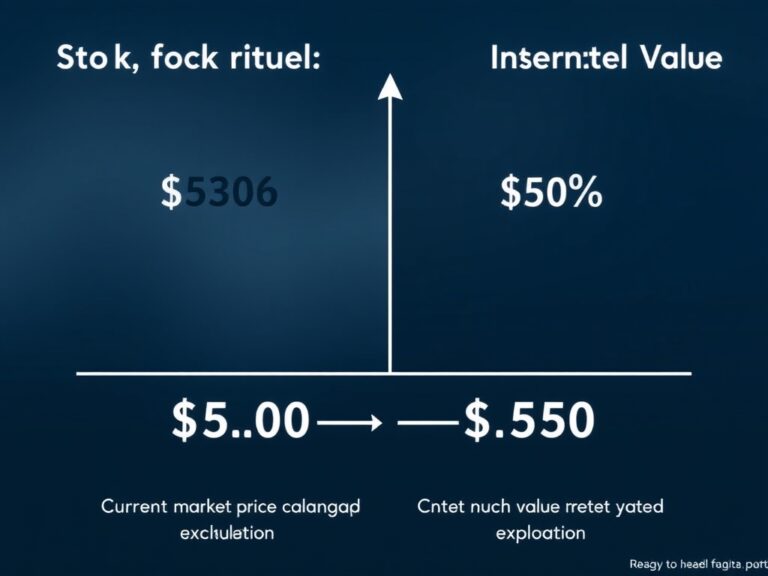
Welcome to the world of wealth building! 🚀 To truly master the markets, you need to understand the different flavors of investing strategies that have built fortunes over the decades. First up is Value Investing, the strategy made famous by legends like Benjamin Graham and Warren Buffett. This approach is all about finding “diamonds in the rough” or stocks trading for significantly less than their intrinsic value. Imagine walking into a high-end store and finding a designer suit at a 50% discount; that’s exactly what value investors look for in the stock market. 📉 You’ll need to analyze financial statements, debt-to-equity ratios, and price-to-earnings (P/E) multiples to identify these specific opportunities. It requires immense patience because the market might take months or even years to realize the true worth of a company. However, the margin of safety provided by buying low is a powerful shield against sudden market volatility. Key characteristics of a value play often include:
- Low P/E ratios relative to historical norms
- High dividend yields compared to industry peers
- Strong fundamental backing despite temporary negative news
Mastering this requires a contrarian mindset and a sharp eye for granular financial detail. By focusing on quality over hype, you build a resilient portfolio capable of weathering any economic storm. It is not about timing the market, but rather about time in the market with the right assets. Every great investor has a foundation in value principles because they provide the bedrock of risk management.
If value investing is about the present, 🚀 Growth Investing is all about the future and the potential for explosive corporate expansion. Growth investors aren’t necessarily looking for bargains; they are looking for the next big thing, like the early days of Amazon, NVIDIA, or Tesla. These companies typically reinvest all their profits back into the business to fuel rapid scaling, meaning you won’t see many dividends here. Instead, you are betting on massive capital appreciation as the company’s revenue and earnings skyrocket over time. 📈 While these stocks often come with high valuations and “expensive” P/E ratios, the justification is their projected future growth rate. To succeed here, you must identify industries undergoing massive disruption, such as AI, biotech, or green energy solutions. It’s a high-octane strategy that requires a stomach for volatility, as these stocks can swing wildly based on quarterly reports. Remember, you are paying a premium for innovation, vision, and market leadership in a specific niche. Important traits to look for in growth stocks are:
- Consistent double-digit revenue growth year-over-year
- Expanding market share in a rapidly growing global industry
- High return on equity (ROE) and strong visionary management
This strategy transforms small investments into fortunes if you pick the right winners early enough in their lifecycle. It requires a forward-looking perspective rather than looking back at historical performance only. You must be willing to hold through the inevitable “growing pains” of a young company. Mastering growth means staying ahead of the technological curve and anticipating consumer needs.

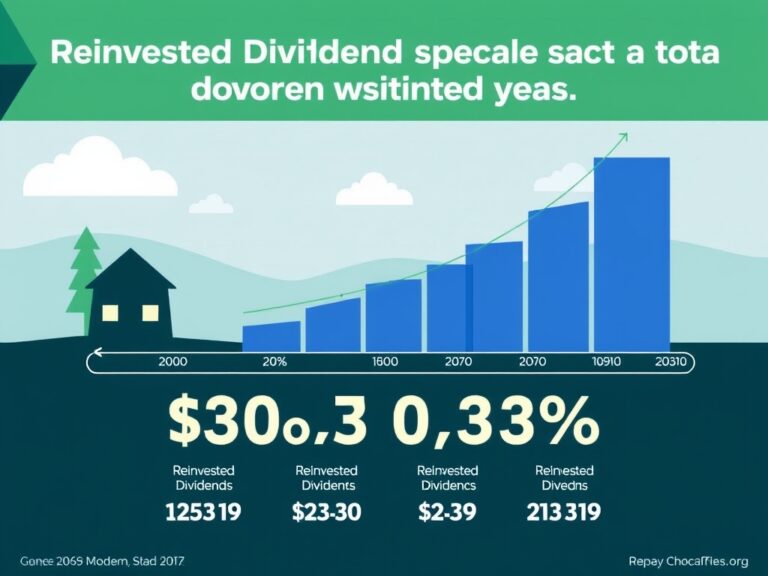
For those who prefer a steady paycheck without selling their shares, 💰 Income Investing is the gold standard of financial independence. This strategy focuses on generating regular cash flow from your portfolio, typically through dividends, interest, or rental income. It’s a favorite for retirees or anyone looking to supplement their monthly earnings with reliable passive income. Income investors prioritize stability and reliability over rapid price increases, often looking toward “Dividend Aristocrats”—companies that have raised payouts for 25+ years. 🏛️ By focusing on yield, you create a psychological buffer; even if the market is down, your account balance keeps growing through consistent payouts. You can utilize various vehicles like Real Estate Investment Trusts (REITs), high-yield bonds, or preferred stocks to diversify your stream. The magic happens when you use Dividend Reinvestment Plans (DRIPs) to buy more shares, creating a compounding machine. Here is what makes a robust income portfolio:
- Sustainable payout ratios (usually below 60% of annual earnings)
- Consistent history of dividend growth and interest coverage
- Low sensitivity to broader economic cycles or market dips
It’s the art of letting your money work for you while you enjoy your life. This creates a “safety net” that allows you to ignore daily market fluctuations entirely. Many investors find peace of mind knowing their income is decoupled from stock prices. Long-term income investing is about building a personal pension through the stock market. Yield is the primary metric, but quality should never be sacrificed for a high percentage.
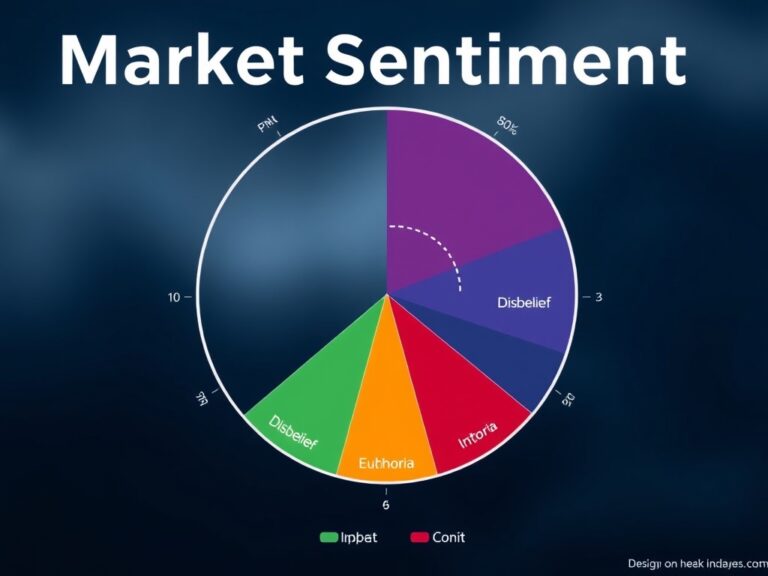
Finally, let’s explore the more active realms: 🌊 Momentum Investing and the 🧭 Contrarian Strategy. Momentum is based on the idea that “the trend is your friend,” where you buy stocks that are already moving up and showing strength. It’s like jumping on a moving train; you use technical indicators like RSI and moving averages to time your moves. 🚄 Conversely, Contrarian Investing involves going against the herd—buying when there is “blood in the streets” and selling during mass euphoria. This requires incredible discipline to ignore the noise and believe in your data-driven thesis when the world says you’re wrong. Both strategies require active management and a deep understanding of market psychology and retail sentiment. While momentum captures the meat of a bull market, contrarians catch the absolute bottoms of a market crash. Mastering these involves balancing technical precision with emotional intelligence to ensure you aren’t just following a fad. Consider these essential tips for active trading:
- Use strict stop-losses for momentum trades to protect your capital
- Look for “extreme” sentiment readings for high-probability contrarian entries
- Always have an exit plan before you enter any trade
By blending these five strategies, you create a versatile toolkit for any market condition you encounter. Diversity in strategy is just as important as diversity in asset classes. Start by mastering one that fits your personality, then slowly branch out to the others. Wealth is built by those who understand how these different forces drive the global economy.