

Value, Growth, Income, Momentum, Contrarian Investing: Essential Strategies Explained
Welcome to the exciting world of stock market strategies where choosing the right path can define your financial future. Value investing is perhaps the most famous approach, popularized by legends like Warren Buffett. At its core, this strategy is about finding ‘diamonds in the rough’—companies trading for less than their intrinsic value. You are looking for a deal, much like buying a high-quality product at a discount during a clearance sale. Intrinsic value is calculated by looking at a company’s fundamentals, such as earnings, dividends, and cash flow. When the market price is lower than this value, it creates a ‘margin of safety’ for the investor. This approach requires extreme patience, as it can take years for the market to realize a stock’s true worth.
- Key Metric: Low Price-to-Earnings (P/E) ratio.
- Key Metric: Low Price-to-Book (P/B) ratio.
- Philosophy: Buy low, sell high.
Successful value investors avoid the hype and focus strictly on the numbers and the company’s long-term competitive advantage. It’s not about following the crowd; it’s about having the conviction to stick with a stock when others are ignoring it. By mastering value investing, you build a portfolio grounded in tangible assets and proven profitability. This strategy is essential for those who prefer a more conservative, long-term approach to wealth building. Ultimately, your goal is to buy businesses, not just ticker symbols. These undervalued gems often provide the most stable foundations for a growing retirement fund.
If value investing is about finding deals today, growth investing is all about betting on the giants of tomorrow. This strategy targets companies that are expected to grow their sales and earnings at an above-average rate compared to the rest of the market. Growth investors aren’t usually looking for a bargain; they are willing to pay a premium price today for the potential of explosive returns later. Think of tech startups or innovative biotech firms that are disrupting entire industries with new technology. 🚀 These stocks often don’t pay dividends because they reinvest every penny back into the business to fuel further expansion. You’ll frequently see high P/E ratios here, which might scare off value investors, but for growth seekers, it’s a sign of high expectations.
- Focus: Future potential over current price.
- Risk: High volatility and market sensitivity.
- Reward: Massive capital appreciation.
To succeed, you need to identify trends early and understand the scalability of a business model. It requires a high risk tolerance because growth stocks can be very sensitive to interest rate changes and economic shifts. However, hitting on just one ‘ten-bagger’ can transform your entire investment portfolio significantly. It’s the ultimate strategy for those with a long time horizon and a desire for aggressive wealth accumulation. You are essentially investing in innovation and the human spirit of progress. While the ride can be bumpy, the destinations are often well worth the volatility along the way.

For those who prefer a more predictable stream of cash, income investing is the gold standard of financial stability. This strategy focuses on building a portfolio that generates regular payments, typically through dividends or interest. 💰 Instead of waiting for a stock price to climb, you get paid just for holding the asset, which is perfect for retirees or those seeking passive income. Dividend Aristocrats—companies that have increased their dividends for at least 25 consecutive years—are the pillars of this approach. Beyond just stocks, income investors often look at Real Estate Investment Trusts (REITs) and high-yield bonds to diversify their cash flow sources.
- Core Goal: Consistent cash flow.
- Primary Assets: Dividend stocks, bonds, and REITs.
- Benefit: Reinvestment through compounding.
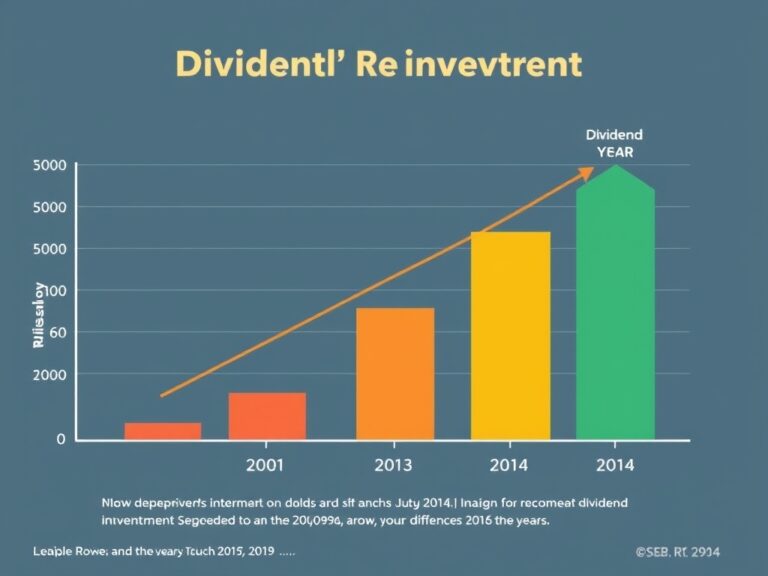
When you reinvest these dividends, you trigger the power of compound interest, which can accelerate your portfolio’s growth significantly over time. It’s a strategy built on the foundation of ‘slow and steady wins the race’ in the world of finance. While you might miss out on the 100% gains of a tech stock, you also avoid the crushing 50% drops that come with volatility. Income investing provides a psychological safety net during market downturns, as those checks keep arriving regardless of the ticker price. It truly is the art of making your money work for you while you sleep. Many investors find this method to be the most relaxing way to build long-term wealth without the stress. This approach turns your portfolio into a personal ATM that grows larger every year.
Moving into more active styles, let’s talk about the contrasting worlds of momentum and contrarian investing. Momentum investing is based on the idea that ‘the trend is your friend,’ where you buy stocks that are already rising and sell them once they show signs of peaking. 📈 It relies heavily on technical analysis and market psychology, betting that assets moving in one direction will continue to do so for a while. On the flip side, contrarian investing involves going against the grain of the entire market. A contrarian buys when others are fearful and sells when others are greedy, often entering the market when a sector is deeply out of favor. 📉 Both strategies require a thick skin and a very disciplined approach to risk management and execution.
- Momentum: Buying high to sell even higher.
- Contrarian: Buying the ‘unloved’ assets.
- Tools: Moving averages, RSI, and sentiment indicators.
While momentum exploits the herd mentality of the market, contrarians exploit the market’s tendency to overreact to bad news. Both approaches can be highly profitable but require constant monitoring and a deep understanding of market cycles. If you enjoy analyzing charts or looking for hidden opportunities in a sea of panic, these strategies might be your bread and butter. They offer a more dynamic way to interact with the market compared to the ‘buy and hold’ philosophy used by others. Success here depends on leaving your emotions at the door and following your predefined trading plan strictly. It’s about being faster or more logical than the average participant. Many professional traders use these methods to capture short-term gains that passive investors miss. However, you must be careful not to get caught in a trend reversal that could wipe out your profits.
So, which of these essential investment strategies is right for you and your financial goals? The truth is that the most successful investors often use a hybrid approach, blending these styles to suit their personal risk tolerance. 🏗️ For example, you might keep 50% of your portfolio in steady income-producing assets while allocating 30% to growth stocks and 20% to deep-value plays. Understanding these strategies isn’t just about choosing one; it’s about knowing which tool to use in different market environments. When the economy is booming, growth and momentum often lead the charge, whereas value and income tend to shine during periods of uncertainty.
- Step 1: Define your risk tolerance and time horizon.
- Step 2: Diversify across multiple strategies.
- Step 3: Regularly rebalance your portfolio.
Always remember that the best strategy is the one you can stick with during the inevitable market crashes. Emotional discipline is just as important as the mathematical analysis behind your stock picks. By educating yourself on these diverse methods, you are equipping your financial toolkit with the power to navigate any market condition. Take the time to experiment, learn from your mistakes, and build a strategy that reflects your unique vision for the future. Your journey to financial independence starts with a single, well-informed decision that aligns with your lifestyle. Staying educated and flexible is the key to surviving and thriving in the ever-changing financial landscape. Start small, stay consistent, and watch your knowledge translate into wealth over the coming decades. There is no one-size-fits-all answer, so focus on what makes you feel most confident as an investor.