
Value, Growth, Income, Momentum & Contrarian Investing: Find Your Perfect Strategy
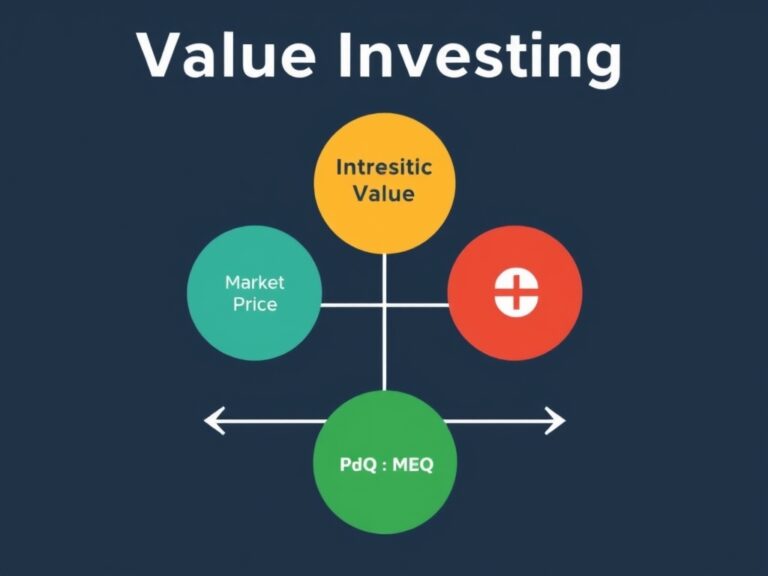
Welcome to the exciting world of stock market strategies where the right choice can transform your financial future. 🏛️ Value investing is the cornerstone for many legendary investors, centered on the simple idea of buying a dollar for fifty cents. This strategy involves identifying companies that are currently trading for less than their intrinsic value, often due to market irrationality or temporary setbacks. By focusing on a strong margin of safety, you protect yourself against significant losses while waiting for the market to eventually recognize the stock’s true worth. 💎 Key metrics often include low Price-to-Earnings (P/E) ratios and healthy book values. It’s like being a bargain hunter at a high-end department store where everyone else is distracted by the latest flashy trends. You aren’t looking for what’s popular; you’re looking for what’s fundamentally sound but currently out of favor. This disciplined approach requires a deep dive into financial statements and a temperament that ignores short-term noise. If you enjoy research and have a long-term horizon, value investing might be your perfect match.
- Pros: Lower risk of overpaying, potential for massive long-term gains.
- Cons: Requires extreme patience; stocks can stay undervalued for years.
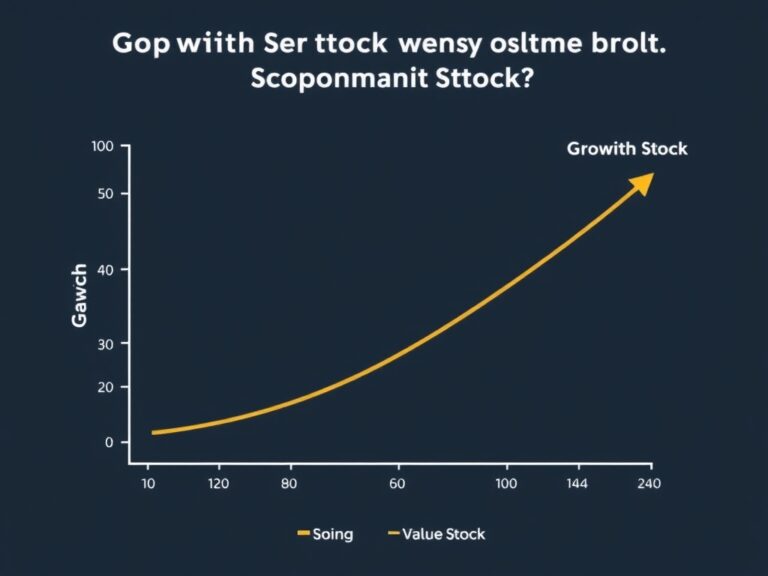
🚀 Moving to the opposite end of the spectrum, we have Growth Investing, which is all about capturing the explosive potential of tomorrow’s industry leaders. Instead of looking for bargains, growth investors are willing to pay a premium for companies exhibiting rapid revenue and earnings expansion. These businesses typically reinvest all their profits back into the company to fuel further innovation, meaning you shouldn’t expect much in the way of dividends. 📈 The primary goal here is capital appreciation, betting that the company’s future value will far exceed its current high valuation. You’ll often find these opportunities in sectors like technology, biotech, and renewable energy where disruption is the name of the game. Identifying a winner early, like the next Amazon or Tesla, can lead to life-changing wealth, but it requires a stomach for significant price swings. You need to be comfortable with high P/E ratios and the fact that some growth stories never actually reach profitability. It’s a fast-paced strategy that demands you stay updated on technological shifts and competitive landscapes. Growth investing is perfect for those with a higher risk tolerance and a desire to be at the forefront of global change.
- Focus: Scalability, market share, and innovative product pipelines.
- Risk: High volatility and the danger of ‘priced for perfection’ stocks crashing on any bad news.
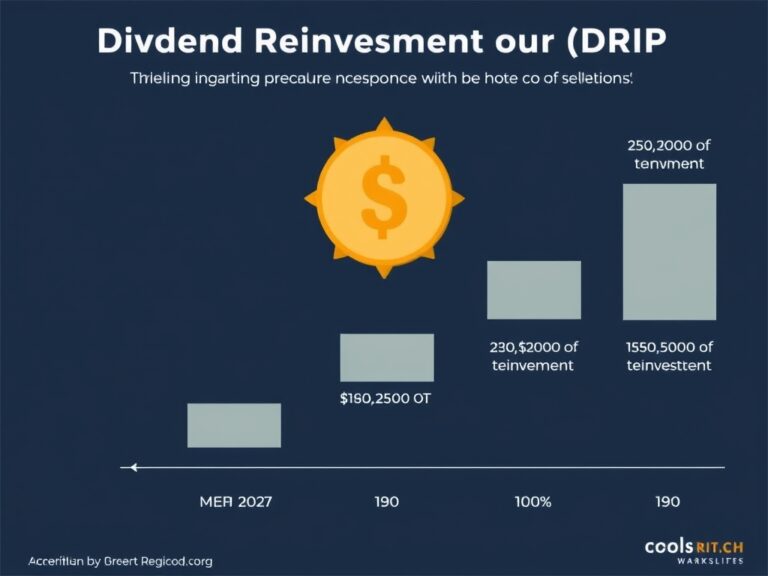
💰 If you prefer a more predictable and steady approach to building wealth, then Income Investing is likely calling your name. This strategy prioritizes immediate cash flow over high-risk growth, focusing on assets that pay out regular distributions like dividends or interest. Many investors flock to Dividend Aristocrats—companies that have increased their payouts for at least 25 consecutive years—to ensure a reliable stream of ‘mailbox money.’ 🏦 This approach is particularly popular among retirees or those looking to achieve financial independence, as the income can cover living expenses without needing to sell off principal. Beyond just stocks, income portfolios often include Real Estate Investment Trusts (REITs) and high-quality corporate bonds. It’s a ‘slow and steady wins the race’ mentality that emphasizes safety and consistency above all else. While you might not see your portfolio double overnight, the psychological comfort of seeing cash hit your account every quarter is immense. You are essentially acting as a silent partner in established, profitable businesses that share their success with you directly. For the conservative investor, this provides a wonderful balance of stability and growth.
- Benefit: Passive income and lower overall portfolio volatility.
- Strategy: Reinvest dividends to harness the power of compounding during your accumulation phase.
🌊 Now, let’s talk about the psychological masters of the market: Momentum and Contrarian Investing. Momentum investors believe that ‘the trend is your friend,’ essentially betting that stocks moving upward will continue to do so because of market psychology and herd behavior. 🏎️ They use technical indicators to jump on a moving train and ride the wave until the speed starts to fizzle out. On the flip side, Contrarian Investing involves going against the grain, buying when others are fearful and selling when others are greedy. 📉 This strategy requires immense mental fortitude because you are intentionally moving in the opposite direction of the crowd. Both strategies attempt to exploit human emotions like FOMO (fear of missing out) and panic. While momentum seeks to capitalize on existing energy, contrarians look for the exact moment that energy is exhausted to find a reversal. These aren’t just numbers on a screen; they are reflections of collective human behavior. Mastering either requires a strict set of rules to prevent your own emotions from getting in the way. Whether you want to follow the heat or find the hidden gems others have discarded, these strategies offer unique paths to profit.
- Momentum: High energy, relies on quantitative data and price action.
- Contrarian: Fundamental-based, relies on identifying market overreactions.

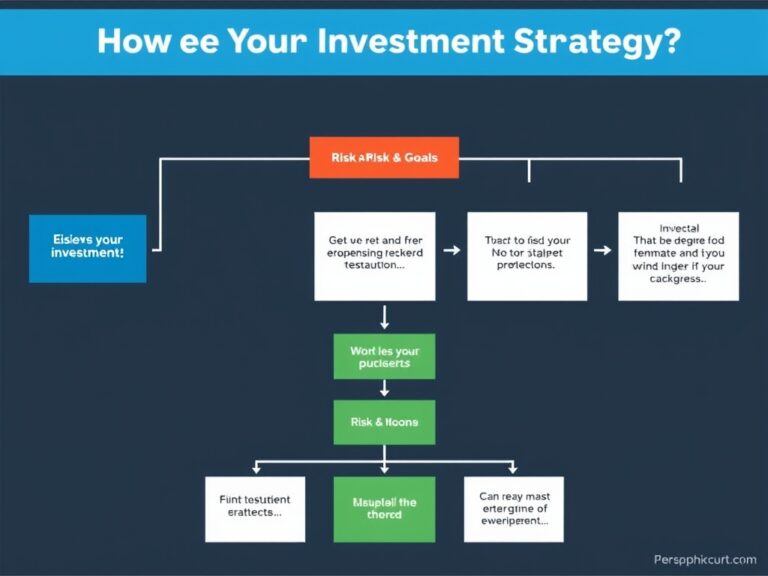
🎯 Finding your perfect strategy isn’t about picking the ‘best’ one, but rather finding the one that aligns with your personal goals and emotional temperament. Most successful investors actually use a hybrid approach, blending elements of value, growth, and income to create a diversified and resilient portfolio. 🏗️ For instance, you might hold a core of income-producing stocks while allocating a smaller percentage to high-growth tech plays for extra upside. Your risk tolerance and time horizon are the most critical factors; a 25-year-old can afford the volatility of momentum investing, while someone near retirement should lean towards income and value. 🧐 It’s essential to conduct regular portfolio reviews to ensure your strategy still reflects your current life situation. Education is your greatest asset in this journey, so continue to learn the nuances of each method as you gain more experience. Remember that the market is a marathon, not a sprint, and your strategy is the map that keeps you on the right path. Don’t be afraid to pivot if you realize a certain style causes you too much stress or isn’t meeting your financial needs. Ultimately, the best strategy is the one that allows you to sleep soundly at night while your money works hard for you.
- Action Step: Define your financial goals before choosing a specific investment style.
- Pro Tip: Consistency in your chosen strategy usually outperforms jumping between styles.