Value, Growth, Income, Momentum, Contrarian Investing: Your Ultimate Strategy Guide
Welcome, fellow investor! Diving into the stock market can feel like navigating a dense fog, but having a clear strategy acts as your compass. Whether you are a seasoned pro or just starting out, understanding the primary investing styles—Value, Growth, Income, Momentum, and Contrarian—is essential for long-term success. Each approach offers a unique way to filter through the noise and identify opportunities that align with your financial goals. Think of these strategies not as rigid rules, but as specialized tools in your financial toolkit. 🚀 In this ultimate guide, we will break down how these methodologies work and why they matter in today’s volatile market. By the end of this post, you’ll have a much clearer picture of which path resonates most with your risk tolerance and timeline. 📈 Let’s start by demystifying the core philosophies that have shaped the portfolios of legendary investors for decades. Choosing the right path involves a blend of quantitative data and qualitative intuition. Are you ready to level up your investing game? Let’s jump right into the world of strategic wealth building. Investing is a marathon, not a sprint, and your strategy is the training plan that gets you to the finish line. Every great portfolio starts with a solid foundation of knowledge and a clear sense of direction. We are here to guide you through every step of that journey to financial freedom.

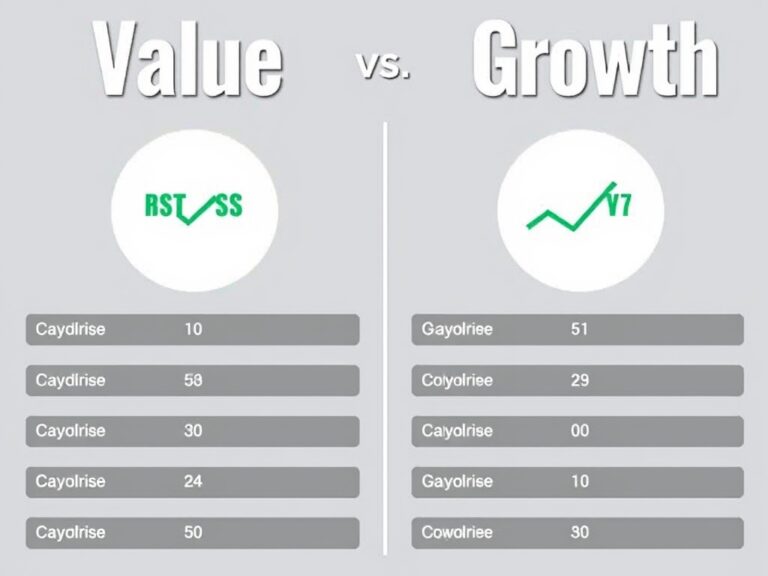
At the heart of equity investing lies the debate between Value and Growth investing, two pillars that often define an investor’s personality. Value investing is often compared to ‘bargain hunting’ where you look for stocks trading for less than their intrinsic worth. 💎 These companies might be overlooked due to temporary setbacks, but they possess strong fundamentals like healthy price-to-earnings (P/E) ratios and solid cash flows. On the flip side, Growth Investing focuses on companies expected to grow at an above-average rate compared to their industry. 🚀 While Growth stocks often come with higher valuations and lower dividends, the potential for capital appreciation is immense. To succeed in these areas, you must look at specific metrics that separate the winners from the losers.
- Value: Low P/B ratios and high dividend yields are common markers.
- Growth: Look for high R&D spending and expanding market share.
This dichotomy represents the balance between current reality and future possibility. Many legendary investors, like Warren Buffett, have mastered the art of finding value even in growth-oriented sectors. It is about understanding the margin of safety before committing your hard-earned capital. Balancing these two styles ensures that you aren’t putting all your eggs in one speculative basket. Ultimately, whether you prefer the steady climb of value or the rocket ship of growth depends on your personal risk appetite. You must decide if you value safety more than high-speed returns. Both paths have led to immense wealth for those who stick with them for the long haul.
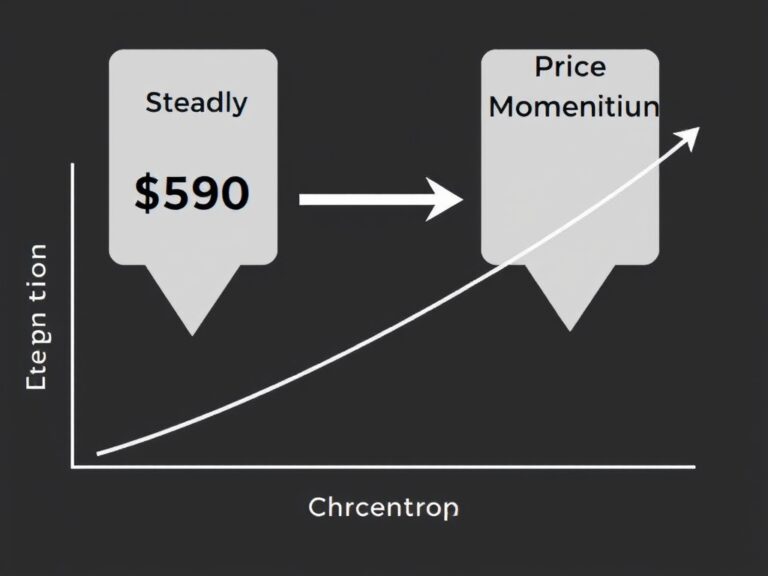
Moving beyond the traditional value-growth divide, we encounter Income Investing and Momentum Investing, which cater to very different psychological profiles and financial needs. Income investing is the art of building a portfolio that generates steady cash flow, primarily through dividend-paying stocks or REITs. 💸 It’s a favorite for those seeking financial independence because it prioritizes consistency over aggressive price swings. Conversely, Momentum Investing is all about ‘buying high and selling higher,’ riding the wave of existing market trends. 🌊 This strategy relies on the observation that stocks that have performed well recently tend to continue performing well in the short term. Here is what you need to keep in mind for these styles.
- Income: Focus on the dividend payout ratio and the company’s history of dividend increases.
- Momentum: Use technical indicators like the Relative Strength Index (RSI) to time entries.
These strategies require a disciplined approach to risk management to avoid ‘falling knives’ or yield traps. Income seekers must ensure dividends are sustainable, while momentum traders must be ready to exit quickly if the trend reverses. Combining these can provide a unique blend of immediate returns and tactical capital gains. Understanding the ‘why’ behind a stock’s movement is just as important as the ‘what’ in these scenarios. You need to know if a price surge is backed by fundamentals or just temporary hype. Patience is the keyword for the income investor, while agility is the keyword for the momentum player. Finding your rhythm between these two can significantly enhance your monthly cash flow and portfolio growth.
Finally, let’s talk about the boldest of them all: Contrarian Investing. This strategy involves deliberately going against the prevailing market sentiment—buying when others are fearful and selling when others are greedy. 📉 It’s not just about being stubborn; it’s about identifying ‘market overreactions’ where the price has decoupled from the actual value. To be a successful contrarian, you need a thick skin and a deep understanding of behavioral finance. 🧠 So, how do you combine all these strategies into your ultimate guide? The answer lies in strategic diversification. Consider these steps for building your portfolio:
- First, identify your primary goal: Is it capital preservation or aggressive growth?
- Second, allocate a core percentage to Value and Growth for long-term stability.
- Third, sprinkle in Income assets to provide a buffer during market downturns.
- Fourth, use Momentum or Contrarian tactics for a small portion of your portfolio to hunt for alpha.
The best strategy is the one you can stick with during the inevitable market cycles of fear and greed. By diversifying across these methodologies, you minimize idiosyncratic risk and maximize your opportunities for success. Remember, the market is a complex system, and no single strategy works 100% of the time. Stay curious, stay disciplined, and continue refining your approach as you gain more experience.