

Value, Growth, Income, Momentum, Contrarian: Mastering Investment Strategies
💎 Mastering the Art of Value Investing: Finding Hidden Gems
Welcome to the world of Value Investing, a strategy famously championed by legendary investors like Warren Buffett. At its core, this approach is all about discipline and the hunt for undervalued assets that the broader market has temporarily overlooked. You aren’t just buying symbols on a screen; you are purchasing a piece of a real business at a discount to its intrinsic value. Think of it like shopping at a high-end department store during a massive clearance sale where the quality remains top-tier but the price tag is slashed. To succeed here, you must look for companies with strong fundamentals, such as consistent earnings and low debt-to-equity ratios.
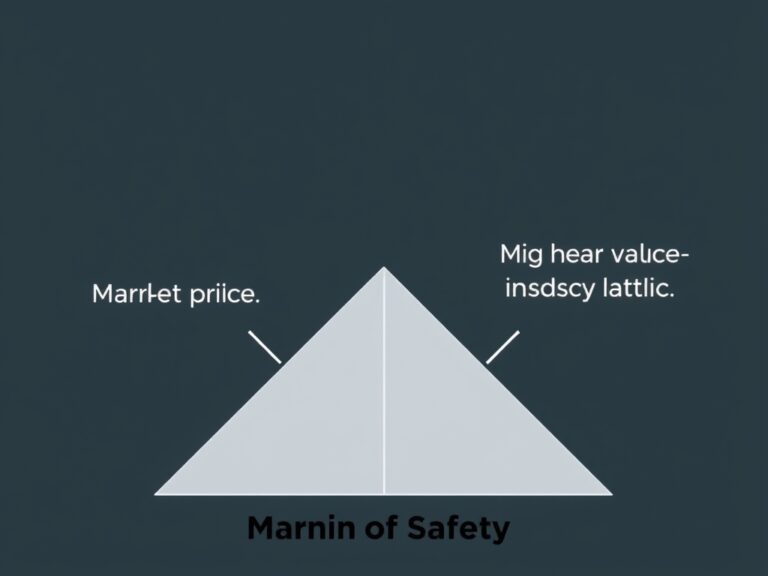
- Margin of Safety: This is your cushion against errors in judgment or market volatility.
- Low P/E Ratios: Often a sign that a stock is trading for less than its earnings potential.
- Dividend Yields: Many value stocks provide steady payouts while you wait for the price to recover.
By focusing on the long term, you can ignore the daily ‘noise’ of the stock market and wait for the price to eventually reflect the company’s true worth. It requires patience and a thick skin, especially when the rest of the world is chasing the latest fad. Remember, the goal is to buy a dollar for eighty cents and let time do the heavy lifting for your wealth creation. This strategy forms the bedrock of many successful portfolios because it prioritizes capital preservation above all else.
🚀 Fueling Your Portfolio with Growth Investing: Chasing Innovation
If value investing is about finding deals, then Growth Investing is about finding the future leaders of the global economy. This strategy focuses on companies that are expected to grow at a rate significantly above the average for the market. These businesses typically reinvest their profits back into research and development or expansion rather than paying out dividends to shareholders. You are essentially betting on innovation, scalability, and market disruption. Whether it is a biotech firm developing a life-saving drug or a software company revolutionizing how we work, the excitement is palpable. However, you must be prepared for higher volatility, as these stocks often come with premium valuations.
- Revenue Acceleration: Look for consistent double-digit growth in top-line sales.
- High Retention Rates: Especially in SaaS models, keeping customers is key to long-term success.
- Market Leadership: Companies that have a ‘moat’ or a significant competitive advantage.
While the risks are higher, the rewards can be exponential if you catch the next big tech giant in its early stages. It is important to stay informed about industry trends and technological shifts that could impact your holdings. Mastery in growth investing requires a keen eye for future potential rather than just historical performance. Always keep an eye on the burn rate and ensure the company has a clear path to profitability to avoid speculative traps.

💰 Building a Steady Stream via Income Investing: The Power of Cash Flow
For those who prefer a more predictable return on their capital, Income Investing is the ultimate strategy for financial peace of mind. This approach prioritizes regular cash flow over capital appreciation, making it a favorite for retirees or those seeking passive income. Instead of waiting for a stock price to double, you collect monthly or quarterly checks from Dividend Aristocrats or Real Estate Investment Trusts (REITs). The magic here lies in the power of compounding; when you reinvest those dividends, you buy more shares, which in turn generate even more dividends. It is like planting a fruit tree that provides a harvest season after season without you having to chop down the trunk.
- Dividend Yield: The percentage of a company’s stock price that it pays out in dividends annually.
- Payout Ratio: A measure of how sustainable the company’s dividend really is.
- REITs & Bonds: Diversifying your income sources beyond just common stocks.
This strategy provides a psychological safety net during bear markets, as you are still getting paid even when prices are falling. It requires a focus on stability and reliability rather than explosive growth or turnaround stories. By carefully selecting high-quality, cash-rich companies, you can build a portfolio that acts as your personal ATM. Mastery involves balancing the search for high yields with the necessity of keeping your principal investment safe from erosion.

📈 Riding Waves and Reversing Trends: Momentum vs. Contrarian
Now, let’s look at the more psychological side of the market with Momentum and Contrarian strategies, which are two sides of the same coin. Momentum investing is based on the idea that ‘the trend is your friend,’ where you buy stocks that are already moving up and sell them before they peak. It relies heavily on market psychology and technical indicators like the Relative Strength Index (RSI) to identify strong upward trends. On the flip side, Contrarian Investing involves going against the grain—buying when others are fearful and selling when they are greedy. This requires immense emotional discipline because you are often the only one buying a stock that everyone else is dumping.
- Momentum: Focuses on speed, volume, and price action to capture short-term gains.
- Contrarian: Looks for extreme sentiment shifts to identify market bottoms.
- Relative Strength: Comparing a stock’s performance against its peers to find leaders.
Both strategies require a deep understanding of human behavior and the cycles of boom and bust that define financial history. Momentum investors need to be quick on their feet and ready to exit at the first sign of a trend reversal. Contrarians, however, must be prepared to hold through periods of deep red before the market realizes its mistake. Combining these insights allows you to navigate the shifting tides of investor sentiment with confidence. Mastering these means knowing when to join the crowd and when to stand alone for the sake of your portfolio.

🛠️ Finding Your Balance: The Path to Mastering Investment Strategies
Mastering investment strategies isn’t about picking just one; it’s about knowing how to diversify and allocate your assets according to your goals. A truly robust portfolio often blends elements of value, growth, income, momentum, and contrarian thinking to balance risk and reward. For instance, you might use Value and Income stocks as your defensive core while adding Growth stocks for offensive potential. During certain market cycles, you might pivot toward Momentum to capture quick gains or use a Contrarian approach to find deep-value opportunities after a crash.
- Asset Allocation: The process of spreading your investments across different categories.
- Risk Tolerance: Understanding how much volatility you can stomach before panic selling.
- Rebalancing: Periodically adjusting your portfolio to maintain your desired strategy mix.
The key is to remain flexible and avoid becoming dogmatic about any single method, as the market is constantly evolving. Successful investors are lifelong students who adapt their tactics to the prevailing economic climate while keeping their long-term vision clear. 🎯 Whether you are building a retirement fund or looking to grow your wealth aggressively, these strategies provide the toolkit you need. Remember to always do your own research and consider consulting with a financial advisor to tailor these concepts to your unique situation. Your journey to financial mastery starts with education and ends with the disciplined execution of these timeless principles. By understanding the ‘why’ behind each move, you move from being a gambler to a sophisticated strategist.