

Value vs Growth vs Income vs Momentum vs Contrarian Investing: Which Strategy Is Best for You?
Getting Started: Finding Your Investment Identity
Welcome to the exciting world of investing, where finding the right strategy is like choosing the perfect pair of shoes—it has to fit your lifestyle and your goals perfectly. Whether you are a beginner or a seasoned pro, understanding the nuances between Value, Growth, Income, Momentum, and Contrarian investing is essential for building a robust portfolio. Every investor has a unique risk tolerance and financial objective, which means there is no ‘one-size-fits-all’ approach to the markets. Today, we are going to break down these five major strategies to help you decide which path aligns best with your personality. Are you looking for steady cash flow, or are you hunting for the next big tech giant? Maybe you prefer buying when everyone else is selling, or perhaps you like to ride the wave of current trends. By the end of this post, you’ll have a clear roadmap to navigate the complex landscape of the stock market with confidence. 🚀 Investing isn’t just about numbers; it’s about psychology, patience, and strategy. We’ll explore how these methods differ in terms of risk, reward, and the underlying philosophy that drives them. Let’s dive into the core characteristics of each style so you can start making more informed decisions for your financial future. Remember, the best strategy is the one you can stick with even when markets get bumpy. Choosing the right path early on can save you from years of frustration and unnecessary losses. Knowledge is power in the financial markets, and we are here to provide that clarity. We will break down the complexities so you can feel empowered in your journey. Let’s start this journey together by exploring the foundations of wealth building.
Value vs. Growth: The Battle of Bargains and Big Dreams
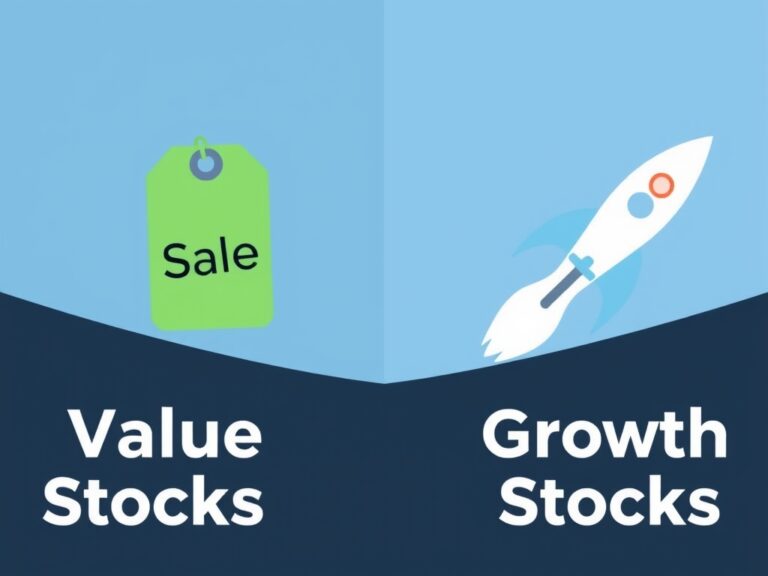
Let’s start with the classic rivalry: Value vs. Growth investing, a debate that has shaped the portfolios of legends like Warren Buffett. 📉 Value investing is the art of finding ‘bargains’—companies that are trading for less than their intrinsic worth because the market has temporarily overlooked them. Think of it like buying a high-quality designer jacket at a thrift store price; you’re looking for a low Price-to-Earnings (P/E) ratio and solid fundamentals. On the other side of the coin, Growth investing focuses on companies that are expected to grow at an above-average rate compared to the rest of the market. These companies often reinvest their profits back into the business rather than paying dividends, aiming for massive capital appreciation. 📈 Key characteristics of growth stocks include:
- High revenue growth rates
- Innovative products or services
- Higher volatility and higher P/E ratios
While value stocks offer a ‘margin of safety,’ growth stocks offer the potential for explosive returns if the company becomes a market leader. It is important to note that growth stocks can be quite sensitive to interest rate changes, making them riskier in certain economic climates. Value stocks, conversely, are often found in mature industries like banking or energy. Deciding between these two often comes down to your time horizon and how much price fluctuation you can stomach. Value investors need patience, while growth investors need a strong stomach for volatility. Both have historical periods of outperformance, so understanding the current economic cycle is key. This ensures you are not buying at the peak of a speculative bubble.
Income Investing: Generating Cash Flow While You Sleep
If your goal is to see regular cash hitting your brokerage account, then Income Investing might be your bread and butter. 💰 This strategy prioritizes assets that pay out consistent returns, such as dividend-paying stocks, Real Estate Investment Trusts (REITs), or bonds. Instead of waiting for a stock price to double, income investors enjoy the ‘bird in the hand’ philosophy, collecting quarterly or monthly payments. This approach is incredibly popular among retirees or those seeking financial independence because it provides a predictable stream of passive income. 🏦 To succeed here, you should look for ‘Dividend Aristocrats’—companies that have increased their payouts for at least 25 consecutive years. Benefits of this strategy include:
- Lower overall portfolio volatility
- Compound interest through dividend reinvestment
- Psychological comfort during market downturns
However, be wary of ‘yield traps,’ where a company offers a high dividend that it cannot actually afford to maintain. You must analyze the payout ratio to ensure the company is healthy enough to keep paying you. Income investing isn’t just about the yield; it’s about the quality and sustainability of the cash flow. It’s a marathon, not a sprint, focused on long-term wealth preservation and steady growth. Many investors use these dividends to pay for their daily living expenses without ever selling their principal. This creates a sense of financial freedom that few other strategies can match. Dividend growth is just as important as the current yield to ensure your purchasing power increases over time. Consistent income can help offset the effects of inflation effectively.

Momentum and Contrarian: Playing the Market Sentiment
Now, let’s look at two strategies that rely heavily on market psychology: Momentum and Contrarian investing. 🌊 Momentum investing is based on the idea that ‘the trend is your friend,’ where you buy stocks that are already moving upward, betting that they will continue to climb. It’s like jumping on a moving train; you aren’t looking for cheap stocks, but rather for those with the strongest price velocity. This requires high discipline and technical analysis skills to know when to exit before the trend reverses. 🔄 In stark contrast, Contrarian investing involves going against the grain—buying when others are fearful and selling when they are greedy. Contrarians believe that the market often overreacts to news, creating opportunities to buy great companies at distressed prices. 🧠 ‘Be fearful when others are greedy, and greedy when others are fearful,’ as the saying goes. Both strategies require a thick skin, but for different reasons:
- Momentum: Fear of missing out vs. the risk of a sudden crash
- Contrarian: The loneliness of holding a stock that everyone else hates
Momentum works best in strong bull markets, while contrarianism often shines during market bottoms or sector-specific sell-offs. Choosing between these depends on whether you prefer following data-driven trends or searching for hidden gems in the rubble. It takes a specific mindset to ignore the headlines and stick to your guns regardless of social pressure. Successful momentum traders use strict stop-losses to protect their capital from sharp reversals. Contrarians must be prepared for long periods of underperformance before the market recognizes the stock’s true value.

Conclusion: Blending Strategies for Long-Term Success
So, which of these five strategies is the ‘best’ for you? 🎯 The truth is, the most successful investors often use a hybrid approach, blending elements of several styles to create a diversified portfolio. For instance, you might hold Value stocks for stability, Growth stocks for upside potential, and Income stocks for steady cash flow. Your choice should be dictated by your specific financial goals, your age, and your emotional reaction to market red days. 🧐 Ask yourself: Do I have the patience for a value play to materialize, or do I need the excitement of a high-growth tech startup? If you are young, you might lean more toward Growth; if you are nearing retirement, Income and Value might take center stage. 🛠️ Here are some steps to help you decide:
- Assess your risk tolerance honestly
- Define your investment timeline (5, 10, or 20+ years)
- Research the fundamentals of any company before buying
- Stay disciplined and avoid emotional trading
Remember, even the best strategy will fail if you don’t stick to it during tough times. 🛡️ Staying consistent with your chosen method prevents the ‘churn’ that kills long-term returns. Take the time to experiment with small amounts of capital in different styles to see what feels right for your temperament. Ultimately, the best strategy is the one that lets you sleep soundly at night while your money works for you. You don’t have to pick just one; you just have to pick what works for your life. Your financial future depends on the actions you take today and the discipline you maintain. Diversification remains the only free lunch in the world of finance, so use it wisely. Start small, stay curious, and keep your long-term vision in focus as you build your wealth.