5 Essential Investment Strategies: Comparing Value, Growth, Income, Momentum, and Contrarian Styles
Welcome to the world of smart wealth building! Choosing the right investment strategy is like picking the right engine for your financial vehicle; it determines how fast you get there and how much risk you handle. Today, we are diving deep into Value Investing, a timeless approach favored by legends like Warren Buffett. At its core, value investing is about hunting for ‘hidden gems’ that the market has temporarily mispriced due to short-term noise. You are essentially looking for a high-quality dollar being sold for only eighty cents. This requires a deep dive into company fundamentals, such as earnings, cash flow, and book value to determine worth.
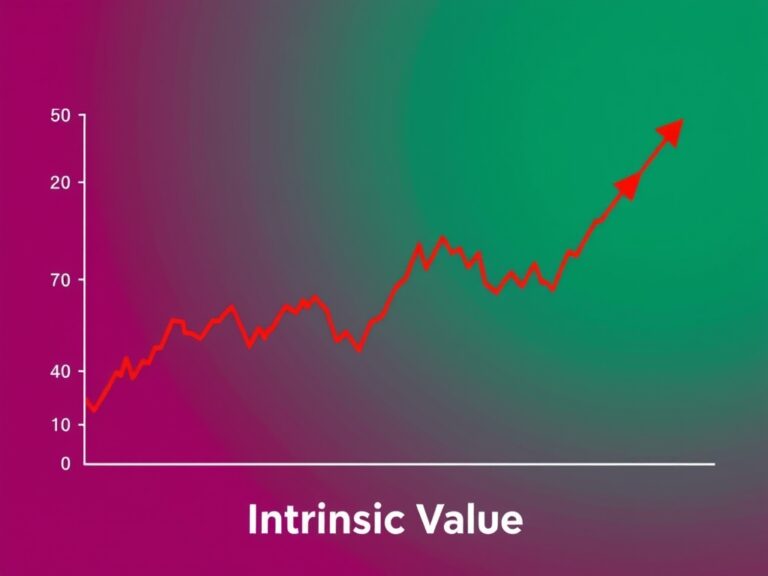
- Intrinsic Value: The true worth of a company regardless of its current stock price.
- Margin of Safety: Buying at a significant discount to protect against valuation errors.
- Patience: Waiting for the market to eventually recognize the true business value.
By focusing on quality companies with strong moats, you minimize your downside risk significantly. It isn’t about chasing quick wins; it’s about the steady, long-term accumulation of undervalued assets. Think of it as bargain shopping for the long haul. While others chase the latest hype, you remain disciplined and focused on the tangible numbers. This strategy excels in volatile markets where fear often drives prices below their actual worth. Ultimately, value investing turns market irrationality into your greatest profit opportunity.
If value investing is the steady tortoise, then Growth Investing is the high-speed hare of the financial world. This strategy focuses on companies that are expected to grow at an above-average rate compared to the rest of the market. Often, these companies are in the technology, biotech, or green energy sectors where innovation is rapid and disruptive. You aren’t looking for bargains here; in fact, you are often willing to pay a premium for massive future potential. Growth stocks typically reinvest all their profits back into the business to fuel further expansion instead of paying dividends. This means you won’t see immediate cash flow, but the goal is massive capital appreciation over time.
- High P/E Ratios: Investors pay more today for the promise of high earnings tomorrow.
- Market Disruption: These companies often change how an entire global industry operates.
- Volatility: Because expectations are high, any earnings miss can lead to sharp price drops.
Success in growth investing requires a keen eye for spotting trends before they become mainstream. It’s about identifying the next ‘big thing’ that will dominate the landscape in the next decade. While riskier than value, the rewards can be life-changing if you pick the right industry winners. You must be prepared for a bumpy ride, as growth stocks are highly sensitive to shifts in interest rates. For many modern investors, a core allocation to growth is essential for beating long-term inflation and building wealth.

For those who prefer a more ‘hands-off’ and predictable stream of wealth, Income Investing is the go-to strategy. The primary objective here is to generate a consistent flow of cash, usually through dividends or interest payments. This is particularly popular among retirees or anyone looking to supplement their monthly salary with true passive income. You typically look for ‘Blue Chip’ companies with a long, proven history of sharing profits with their shareholders. Real Estate Investment Trusts (REITs) and high-quality corporate bonds are also major staples in an income-focused portfolio. The magic of this approach lies in the power of compounding when you automatically reinvest those dividends.
- Dividend Yield: The percentage of the stock price paid out in dividends annually.
- Payout Ratio: This metric ensures the company isn’t paying out more than it can afford.
- Stability: These companies tend to be less volatile during major economic downturns.
Income investing provides a psychological safety net because you get paid even if the stock price drops. It turns the stock market into a ‘personal ATM’ that rewards your ownership over a long period. Many successful investors use these payments to buy more shares, creating a snowball effect of compound wealth. While you might miss out on the 500% gains of a small tech startup, the reliability is truly unmatched. It’s the ultimate strategy for those who value financial freedom and regular cash liquidity over market thrills.

Now, let’s pivot to the more psychological side of the market with Momentum and Contrarian Investing. Momentum Investing is based on the idea that stocks that have been rising will likely continue to rise in the short term. It relies heavily on technical analysis and ‘herd behavior’ to ride the wave of a popular and strong stock. On the complete opposite end of the spectrum, we find the bold and brave world of Contrarian Investing. Contrarians believe in buying when there is ‘blood in the streets’ and everyone else is selling in a panic. It requires incredible mental fortitude to go against the prevailing market sentiment and buy when others fear. These distinct styles offer unique ways to capitalize on human emotion rather than just business fundamentals.
- Relative Strength: A key metric used by momentum traders to find the strongest performing stocks.
- Market Sentiment: The emotional state of the collective market, which contrarians seek to exploit.
- Timing: Both strategies rely heavily on precise entry and exit points to be effective.
Momentum investors ‘buy high and sell higher,’ while contrarians seek the absolute bottom of a cycle. These styles are often more active and require constant monitoring of market charts and global news. If you enjoy the thrill of the chase and have a high risk tolerance, these might suit you perfectly. However, they can lead to significant losses if you don’t have a strict stop-loss strategy in place to protect your capital. Understanding the ‘vibe’ of the market is just as important as reading a balance sheet for these styles.

After exploring these five distinct styles, you might be wondering which one is the absolute best for your journey. The truth is that the most successful portfolios often blend elements from several different investment strategies to balance risk. Your choice should ultimately align with your personal risk tolerance, age, and long-term financial goals. If you are young, you might lean more toward Growth; if you are near retirement, Income might take center stage. Remember that diversification is not just about owning different stocks, but also about diversifying your tactical approach. Use the following steps to refine your decision-making process for your own portfolio:
- Assess Goals: Know exactly what you want your money to achieve for you and your family.
- Stay Disciplined: Don’t jump from style to style just because the market is fluctuating today.
- Keep Learning: The financial world is always evolving, and so should your investment knowledge.
Start small, experiment with these different styles, and see which one fits your unique personality. You don’t need to be a Wall Street expert to achieve great results with a consistent and well-thought-out plan. By mastering the fundamentals of Value, Growth, Income, Momentum, and Contrarian styles, you are ahead of 90% of retail investors. Now is the perfect time to take control of your financial future and start building that dream portfolio. Your future self will thank you for the time and effort you put into understanding these essential strategies today.