
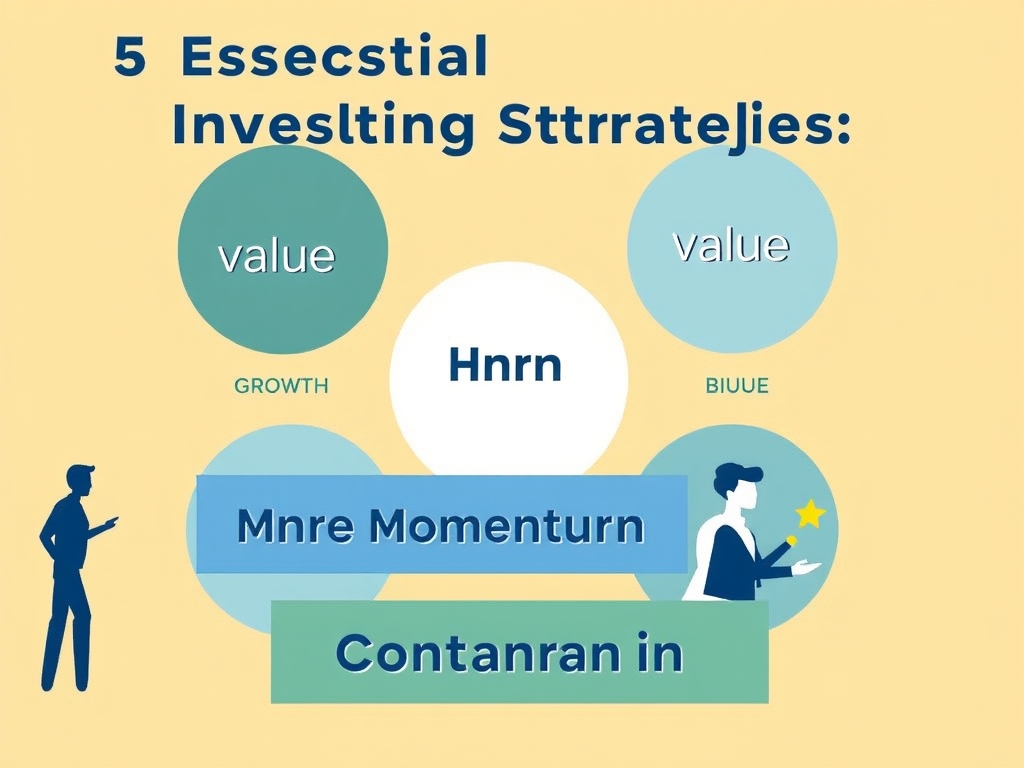
5 Essential Investing Strategies: Value, Growth, Income, Momentum, and Contrarian Explained
Welcome to the exciting world of wealth building, where your money starts working as hard for you as you do for it! 💰 If you’ve ever felt overwhelmed by the sheer number of stock picks and market noise, you’re certainly not alone, as finding the right path requires a solid investing strategy. Think of these strategies as different lenses through which you can view the market, each offering a unique perspective on how to achieve your financial goals. Whether you are a cautious beginner or a seasoned pro, understanding the core philosophies behind how professionals manage assets is crucial for long-term success. Today, we are going to break down five heavy hitters:
- Value Investing
- Growth Investing
- Income Investing
- Momentum Investing
- Contrarian Investing
. By the end of this guide, you’ll have a much clearer picture of which style aligns best with your personal risk tolerance and time horizon. It’s important to remember that no single approach is objectively ‘better’ than the others; rather, the best strategy is the one you can stick with during market volatility. We will explore how these methods differ in their execution, their underlying logic, and the types of assets they typically target. Let’s dive deep into the mechanics of the market to ensure your portfolio is built on a foundation of expert knowledge rather than guesswork. Mastering these concepts is your first step toward true financial independence and a robust investment portfolio. By taking the time to learn these concepts, you are positioning yourself ahead of the majority of retail investors who trade on emotion alone.
📈 The Pillars of Wealth: Value and Growth Investing
Let’s start with the classic battle of philosophies: Value vs. Growth, which represents two of the most popular ways to approach the stock market. Value investing is often compared to bargain hunting; you are essentially looking for high-quality companies that are ‘on sale’ because the market has temporarily undervalued them. Proponents like Warren Buffett look for an intrinsic value that is higher than the current stock price, providing a ‘margin of safety’ for the investor. On the flip side, Growth investing focuses on companies that are expected to grow at an above-average rate compared to the rest of the market. These companies might not be ‘cheap’ by traditional metrics like P/E ratios, but their potential for massive capital appreciation makes them incredibly attractive to aggressive investors. While value stocks often belong to established, ‘boring’ industries, growth stocks are frequently found in tech, biotech, or innovative sectors. Choosing between them often comes down to whether you prefer the security of an undervalued asset or the excitement of a fast-moving pioneer. Some investors even use a ‘blend’ approach to capture the stability of value and the upside of growth. Understanding these two pillars allows you to balance your portfolio between current worth and future potential effectively. It’s all about identifying whether you want to buy a dollar for eighty cents or buy a seed that might grow into a giant oak tree. Both paths require patience, but they demand very different types of analytical research. Ultimately, the choice depends on your ability to analyze financial statements versus your ability to spot disruptive future trends.
🌊 Cash Flow and Trends: Income and Momentum Strategies
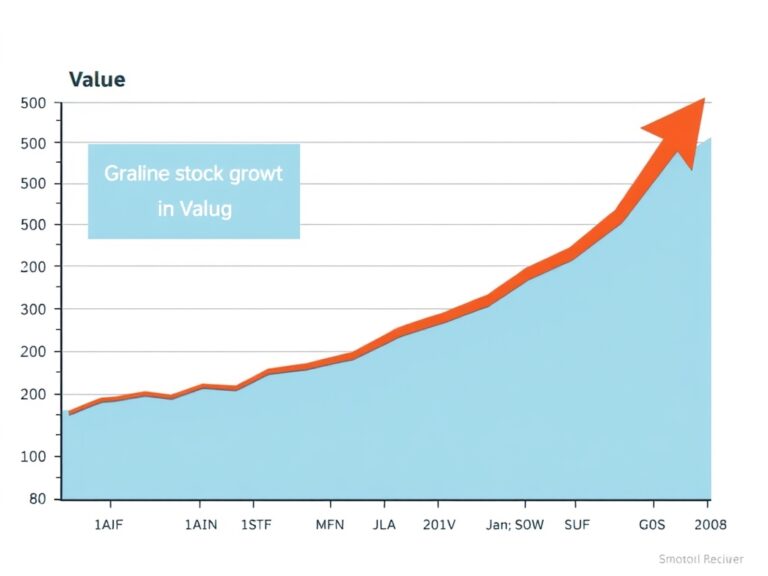
Next, we move into the realms of Income and Momentum, which cater to very different psychological profiles and financial needs. Income investing is all about creating a reliable stream of passive income, usually through dividends, interest, or rental yields. This strategy is a favorite for retirees or those looking to supplement their salary, as it prioritizes cash flow over pure price appreciation. You’ll often find income investors flocking to
- Real Estate Investment Trusts (REITs)
- Dividend Aristocrats
- High-yield bonds
. In stark contrast, Momentum investing is the art of following the trend, based on the idea that stocks that have been going up will likely continue to go up in the short term. It’s a high-energy strategy that relies on relative strength and technical indicators rather than fundamental business health. Momentum traders aren’t looking for a bargain; they are looking for a wave to ride, often using a ‘buy high, sell higher’ mentality. While income investing is like planting an orchard to harvest fruit every season, momentum is like catching a gust of wind in your sails to speed across the ocean. The risks here are distinct: income investors face interest rate risks, while momentum investors face the danger of a sudden trend reversal. Balancing these can provide a portfolio with both a ‘safety floor’ of cash and a ‘performance ceiling’ of rapid gains. Each requires a disciplined exit strategy to ensure that your gains aren’t wiped out by a shifting economic climate. Modern software and screening tools have made it easier than ever to track both dividend yields and technical price trends simultaneously.

🧭 Going Against the Grain: Contrarian Investing
Finally, we have the bold world of Contrarian investing, which is essentially the practice of going against the prevailing market sentiment. As the famous saying goes, you should be ‘fearful when others are greedy, and greedy when others are fearful.’ A contrarian investor looks for opportunities in sectors or stocks that are currently hated or ignored by the masses, betting that the herd mentality has pushed prices down too far. This approach requires a strong stomach and a high degree of independent thinking, as you will often be buying while everyone else is panicking. However, the rewards for being right when the crowd is wrong can be substantial, often leading to the highest possible returns over a long-term horizon. Integrating these five strategies—Value, Growth, Income, Momentum, and Contrarian—into your broader asset allocation plan is the key to a resilient financial future. You don’t have to choose just one; many successful investors use a ‘core and satellite’ approach, where they keep a steady core of income and value stocks while playing the edges with momentum or contrarian bets. The most important takeaway is to stay educated, stay disciplined, and never stop refining your approach based on your evolving life stages. Success in the markets isn’t about finding a magic bullet; it’s about building a toolkit of strategies that allow you to thrive in any economic weather. Now that you have the map, it’s time to start your journey toward smarter, more strategic investing today! Your future financial self will surely thank you for the effort you put into diversifying your tactical knowledge today.