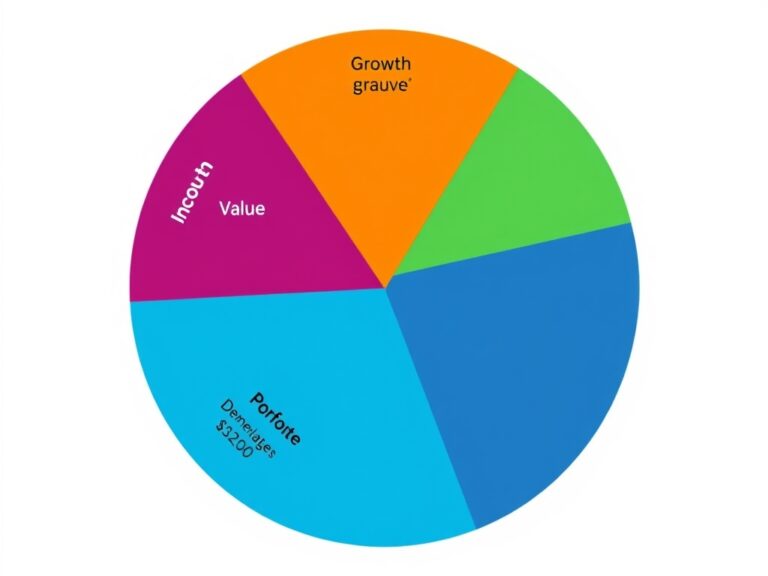

The Ultimate Guide to Value, Growth, Income, Momentum, and Contrarian Investing Strategies
The Ultimate Guide to Value, Growth, Income, Momentum, and Contrarian Investing Strategies
1. The Foundation of Value Investing
💎 Welcome to the world of wealth creation where picking the right strategy is like choosing the right vehicle for a cross-country journey. Value investing is perhaps the most famous approach, popularized by legends like Benjamin Graham and Warren Buffett, focusing on buying stocks that appear underpriced by the market. Think of it as “bargain hunting” for high-quality companies that are temporarily out of favor or overlooked by the general public.
- P/E Ratio: Low price-to-earnings ratios are a classic sign of value.
- Intrinsic Value: The goal is to buy for less than the company is actually worth.
- Margin of Safety: This buffer protects you if your analysis is not 100% perfect.
By looking at fundamental analysis, you can identify businesses with strong balance sheets that the rest of the world has ignored. This strategy requires immense patience because the market might take years to realize a company’s true worth. It is not about following the crowd; it is about having the discipline to wait for the “fat pitch” while others are swinging wildly. Successfully master value investing, and you will find yourself building a portfolio on a foundation of solid, tangible assets. It is truly the art of buying a dollar for seventy-five cents, ensuring long-term stability. Let us dive deeper into why this remains a cornerstone for many institutional investors globally.

2. Chasing the Future with Growth Strategies
Moving from the steady world of value, we enter the high-octane realm of Growth Investing, where the focus shifts toward companies expected to grow at an above-average rate compared to the market. 🚀 These are often younger, innovative companies in sectors like technology, biotech, or green energy that reinvest their earnings rather than paying dividends. Investors here are not looking for a bargain; they are willing to pay a premium today for the explosive earnings of tomorrow.
- Revenue Growth: Look for consistent double-digit increases year-over-year.
- Innovation: Companies that disrupt industries often provide the highest returns.
- Market Share: Rapidly expanding their footprint in a growing niche.
Because these stocks often have high volatility, you need a strong stomach to handle the price swings that come with rapid expansion. Growth investors prioritize capital appreciation over immediate cash flow, betting that the company’s future dominance will justify a high valuation. It is about identifying the “Next Big Thing” before it becomes a household name. You will often find these stocks trading at high P/E ratios, but in growth land, that is considered the price of entry for massive potential. This strategy is ideal for those with a longer time horizon who can weather short-term storms for the sake of long-term gains. If you love the thrill of innovation and scaling, this is the path for you.
3. Building Wealth via Income and Dividends
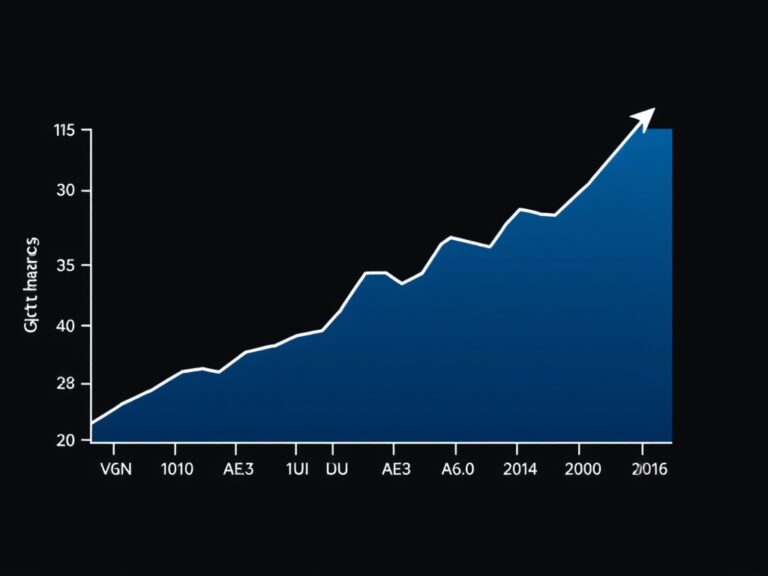
If you prefer a more predictable and steady stream of wealth, then Income Investing—also known as dividend investing—might be your perfect match. 💰 This strategy focuses on building a portfolio that generates regular cash flow, typically through dividends, interest, or rental yields. It is a favorite for retirees and those looking for “passive income” because it provides tangible rewards without needing to sell your underlying assets.
- Dividend Yield: The annual percentage return paid out by a stock.
- Dividend Aristocrats: Companies that have increased dividends for 25+ consecutive years.
- REITs: Real Estate Investment Trusts provide exposure to property income.
By focusing on consistency, income investors minimize their reliance on market price movements to realize gains. The magic of this approach lies in compounding; when you reinvest those dividends to buy more shares, your “money tree” grows exponentially over time. It creates a psychological safety net, as you are getting paid even when the market is red. You will want to look for companies with sustainable “payout ratios” to ensure the checks keep coming. This is the ultimate “get rich slowly” strategy that rewards discipline and time. It transforms the stock market from a casino into a reliable source of funding for your lifestyle.
4. Momentum vs. Contrarian: Playing the Crowd
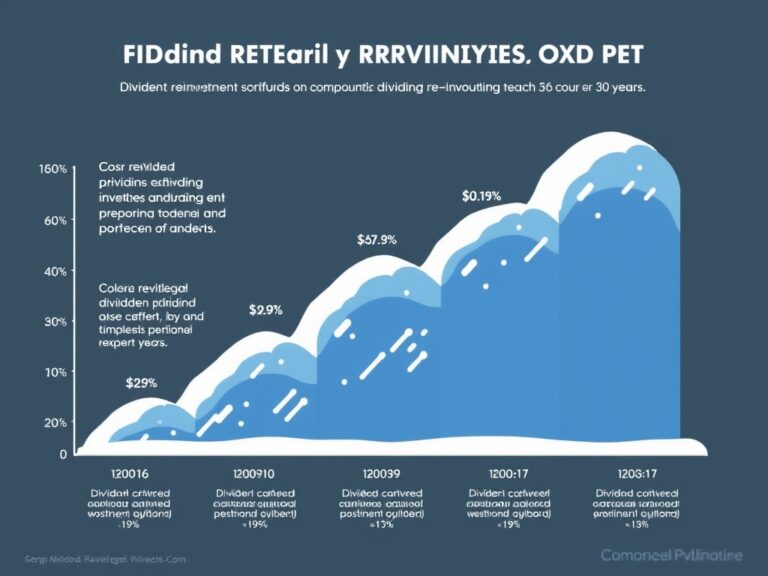
Now, let us look at two strategies that play on market psychology: Momentum and Contrarian Investing, which are essentially two sides of the same coin. 📈 Momentum investors follow the trend, believing that “the trend is your friend” and that assets that have been performing well will continue to do so. Conversely, Contrarian Investors deliberately swim against the current, buying when others are panicking and selling when the “hype train” is at its peak.
- Relative Strength: A key metric for momentum traders to find winning stocks.
- Market Sentiment: Contrarians use “extreme fear” as a buy signal.
- Timing: Both strategies require a keen sense of when the wind is shifting.
Momentum is about speed and technical analysis, capturing the middle section of a price surge. Contrarianism is about courage and going against the herd, often finding massive wins in distressed assets. While momentum thrives in bull markets, contrarianism often shines during market crashes or sector-specific downturns. Both require a very active approach and strict risk management rules like stop-losses to protect capital. You are not just looking at the company; you are looking at how the crowd is reacting to the company. Choosing between them depends on whether you prefer riding the wave or catching the bottom.

5. Finding Your Perfect Investing Balance
Ultimately, the most successful investors often do not stick to just one style; they create a hybrid strategy that blends these different philosophies. 🧩 Diversification is not just about owning different stocks, but about employing different strategies to protect yourself in various market cycles. For example, you might use a “Core and Satellite” approach, where your core is in stable income and value stocks, while your satellites are in high-growth or momentum plays.
- Risk Tolerance: Your strategy must align with how much sleep you lose over volatility.
- Asset Allocation: Balancing stocks, bonds, and real estate within your chosen style.
- Review Cycle: Periodically checking if your “growth” stock has become a “value” stock.
By understanding these expert-level insights, you can tailor your portfolio to your specific financial goals and timeline. Do not feel pressured to pick just one; the market is dynamic, and your approach should be too. Education is your greatest asset, so keep learning and refining your criteria as you gain experience. Remember that the “best” strategy is the one you can actually stick with when things get tough. Start small, stay consistent, and watch your wealth grow through the power of strategic investing. Your future self will thank you for taking the time to master these financial arts today.