
The 5 Essential Investment Strategies: How to Choose the Right Approach for Your Portfolio
Mastering Your Financial Future: Choosing Your Investment Path
Navigating the world of finance can feel overwhelming, but finding the right investment strategies is the cornerstone of building long-term wealth. Whether you are a beginner or a seasoned pro, understanding how to align your portfolio with your personal goals is essential for financial freedom. Think of your portfolio as a garden; if you choose the wrong seeds for the climate, you won’t see a harvest. Asset allocation is your soil, while your strategy is your cultivation method. We aren’t just talking about picking stocks; we are talking about creating a roadmap that survives market volatility. By the end of this post, you will be equipped to make smarter, data-driven decisions. Let’s dive into the five essential strategies that could change your financial trajectory. Remember, consistency is the secret sauce to compounding interest over time. Are you ready to take control of your financial destiny and grow your nest egg systematically? Let’s get started on this exciting journey toward your goals.

The 5 Core Investment Strategies for Success
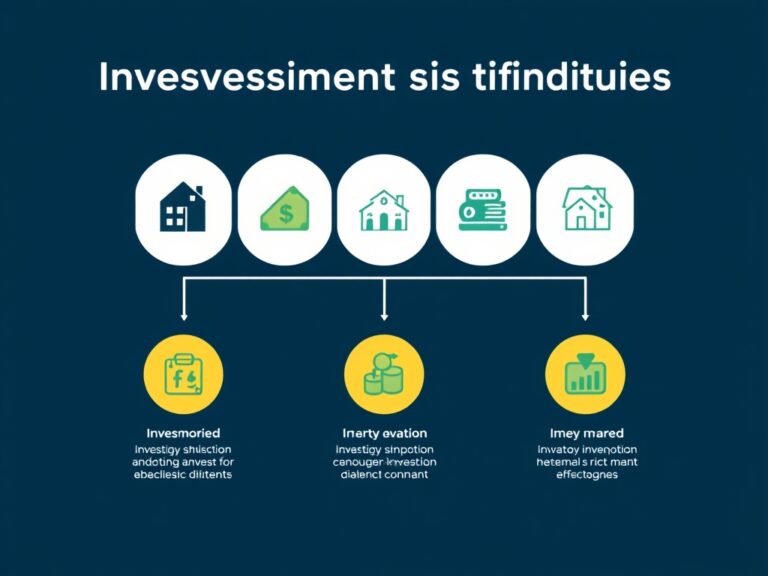
To build a robust portfolio, you must choose a strategy that matches your risk tolerance and timeline. Here are the five most effective approaches used by top investors:
- Growth Investing: Focusing on companies with high potential for future expansion.
- Value Investing: Buying undervalued assets that the market has overlooked.
- Income Investing: Prioritizing consistent cash flow through dividends or interest.
- Index Investing: Using low-cost ETFs to mirror market performance over time.
- Dollar-Cost Averaging: Investing a fixed amount regularly to mitigate market timing risks.
Each of these strategies serves a unique purpose in your wealth management toolkit. For instance, younger investors might lean toward growth, while retirees often prioritize income stability. You don’t have to pick just one; many successful investors use a hybrid approach. The key is to avoid ‘analysis paralysis’ and pick a path you can stick with for the long haul. Which one resonates most with your current life stage? Let’s break down how to implement these strategies effectively in the next section.
Assessing Your Risk Tolerance and Time Horizon
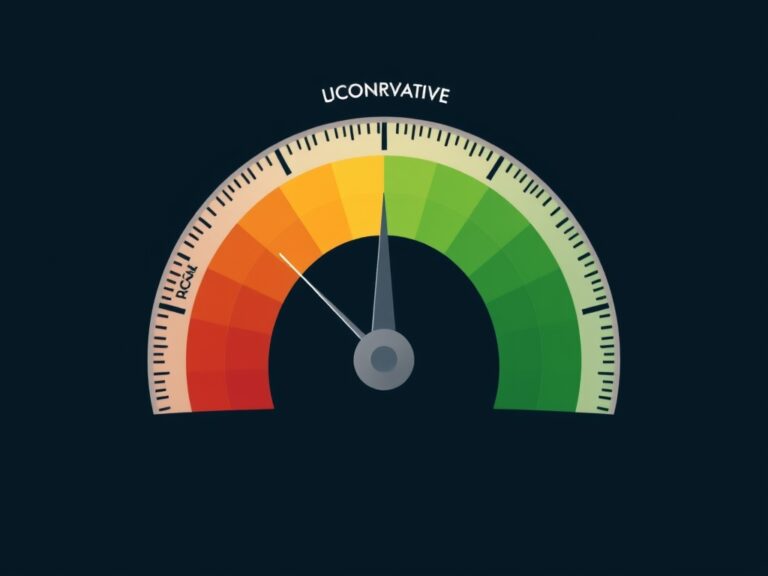
Before you commit capital, you must honestly assess your risk tolerance. Ask yourself: ‘If the market dropped by 20% tomorrow, would I panic-sell or see it as a buying opportunity?’ Your answer dictates your strategy. If you lose sleep over fluctuations, a conservative strategy focusing on bonds and index funds is your best bet. Conversely, if you have a 30-year time horizon, you might tolerate higher volatility for the chance of higher growth. Diversification is your ultimate safety net during these assessments, ensuring no single sector wipes you out. Keep your eye on the ‘big picture’ rather than daily ticker symbols. It is also important to consider your liquid cash needs—don’t invest money you might need for rent next month! By balancing your personality with your financial reality, you create a strategy that is actually sustainable. Consistency trumps timing every single day of the week in the world of successful investing. Do you feel prepared to handle the ups and downs of the market with a calm, analytical mindset?
Implementing Your Strategy with Discipline
Once you have chosen your approach, the real work begins: execution and maintenance. Many investors fall into the trap of ‘set it and forget it’ and then neglect their portfolio rebalancing. You should review your accounts at least annually to ensure your asset allocation hasn’t drifted too far from your original plan. If your stocks have performed exceptionally well, they might represent 80% of your portfolio instead of your intended 60%. This is the time to trim the winners and buy assets that are currently under-represented to maintain your risk level. Stay disciplined by automating your contributions so your emotions don’t get in the way of your progress. Follow reputable financial literacy resources to stay updated on market trends without letting headlines dictate your actions. If you find the process too complex, don’t be afraid to consult a certified financial planner. Ultimately, your portfolio is a reflection of your hard work and commitment to your future self. Keep growing, keep learning, and keep investing for the long term!